Reviewed · PRIVATE
Semi-Private Balkans Tour; Split to Athens or Corfu in 14 Days
Fortress towns and monastery sunsets in one smooth route. This semi-private Balkans trip threads together UNESCO old towns, castle views, and local food stops, with a real guide handling the heavy lifting. You start in Split at 7:30am and finish either in Athens or on Corfu, depending on your chosen end point.
I especially like two things. First, the logistics feel handled, from the Split hotel pickup to the long overland days and ferry connection at the end. Second, you get a strong mix of iconic sights (Mostar, Sarajevo, Kotor, Ohrid, Berat) plus hands-on local culture, including a guided food-focused day in Tirana and a slow-food farm visit.
One thing to think about: this is a lot of ground. Expect early mornings, uneven pavement, and plenty of walking, while lunch and dinner are on your own budget.
In This Review
- Key Things I’d Pack Extra Enthusiasm For
- Semi-Private Balkans Tour: What Max 10 People Changes
- Split Pickup to Athens or Corfu: The Endgame You Care About
- Mostar and Blagaj: Old Bridge Photos, Plus the Real Street Stuff
- Sarajevo and the Latin Bridge: Cities With Layers Under Your Feet
- Kotor and Budva: UNESCO Old Towns on a Coast That Loves Drama
- Rozafa, Kruja, and Castle-Day Energy in Albania
- Slow Food, Vineyards, and Places That Feel Less Like a Set
- Tirana Food Tour With a Local Companion and Bunk’Art 2
- North Macedonia With Ohrid and St Naum: Lake Views That Earn Their Spot
- Berat and Gjirokaster: The 1001 Windows to the Stone City
- Greece Finish: Ioannina Old Town, Castle Walls, and Meteora Sunset
- The Northern Albania Hiking and Lake Koman Ferry Moment
- Where You Stay, Breakfast Rhythm, and How to Budget Lunch
- Practical Tips That Make This Trip Easier
- Should You Book This Split to Athens or Corfu Tour?
Key Things I’d Pack Extra Enthusiasm For
- Semi-private group up to 10 people, so you get more time with the guide instead of waiting in line
- Hotel pickup in Split and a guided cross-border flow that reduces stress on travel days
- UNESCO sites across 7 regions, from Mostar and Kotor to Ohrid, Berat, and Meteora
- Local accommodation with breakfast most nights, so you start each day without hunting for food
- A high-mood finish with Ioannina and Meteora sunset, plus a ferry hop to Corfu if you choose that ending
- An active northern Albania segment built around hiking in Valbona Valley National Park and a Lake Koman ferry crossing
Semi-Private Balkans Tour: What Max 10 People Changes
When a trip caps at 10 travelers, the whole rhythm changes. You spend less time getting organized and more time actually looking at the streets, bridges, and churches you came to see. It also helps when the day includes uneven sidewalks, small museums, and timed entry stops.
I also like that you have a professional tour leader leading the way. In the Balkans, small details matter, like where to stand for the best view at a viewpoint, when you should duck into a shaded church corridor, and how to pace yourself on long walk stretches. Here, the guide keeps you moving without turning the day into a sprint.
The trade-off is simple: with a small group, you still have set-day timing. You can’t stroll off for hours and catch up later, so you’ll want to be the type who enjoys structure.
Split Pickup to Athens or Corfu: The Endgame You Care About
This is the kind of tour that starts with one plan and ends with a practical choice. You leave Split at 7:30am with hotel pickup. By day 14, you’re transferred toward either Athens or Igoumenitsa Port, then continue by ferry to Corfu (ferry tickets included).
That matters because it protects your sanity at the end of a long trip. Instead of spending your last day figuring out buses, ferries, and schedules, you’re set up with the connection already included. If you like the idea of finishing with Greek sea vibes, the Corfu option is a strong closer.
Also, you should know the tour is priced as a per-person rate based on double, twin, triple, or quad room occupancy in 3-star hotels. In plain terms, you’re paying for the whole package, not just the sightseeing.
Plenty more to do around Split
Mostar and Blagaj: Old Bridge Photos, Plus the Real Street Stuff
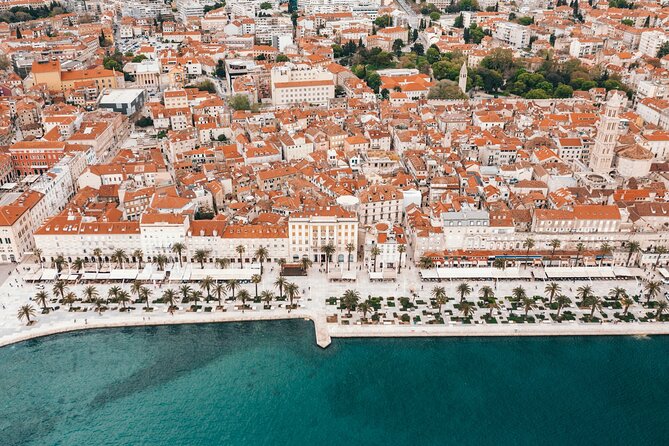
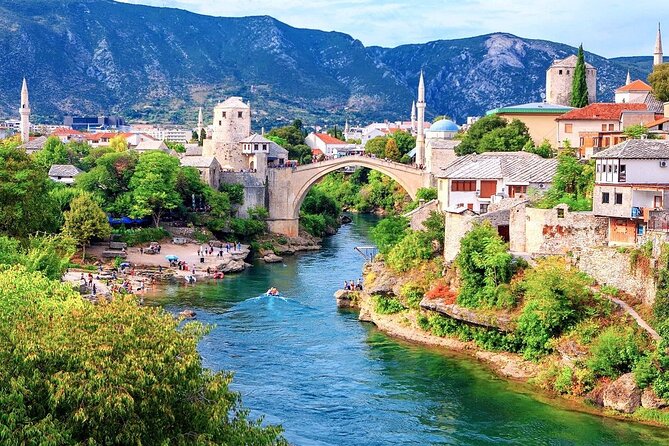
Day 1 starts with the medieval heartbeat of the Balkans: Mostar. You’ll head to the Old Bridge area and see Stari Most, a UNESCO site and a classic Ottoman-era landmark. The ticket is included, so you can focus on the moment rather than sorting out entry details.
What I like most here is that it’s not only about the postcard. You also wander the Old Bazaar lanes with their lively atmosphere and Ottoman-era touches like mosques and cobbled alleyways. You’ll get the sense of a city where old stone still shapes daily life.
Then you go outside town to Blagaj tekija, on the foot of a cliff, with blue waters in front. It’s one of those places where you stop talking and just watch the river spring character in the landscape. The Buna source setting makes the break feel worth the travel time.
A quick practical note: expect some uneven ground and steps around these old sites. Comfortable shoes are not optional on this one.
Sarajevo and the Latin Bridge: Cities With Layers Under Your Feet
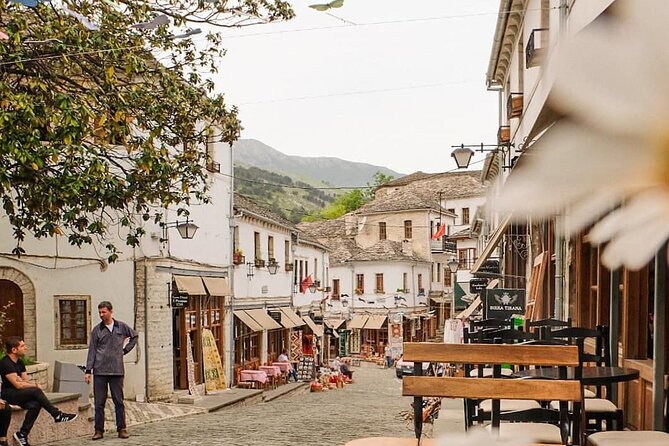
Sarajevo is where the trip gets emotionally heavier and visually sharper. You drive from Mostar and then tour the city, including ruins and reminders of conflict like bullet holes and cannon marks around town. It’s not a “scary tourism” route. It’s more like learning to read a city’s layers the way locals have lived them.
You also cover Ottoman and Austria-Hungarian parts of Sarajevo, which explains why the markets, bazaars, mosques, churches, and synagogues sit side by side in the same urban story. It’s a real mix of cultures, and the guide’s job is to connect the dots so it doesn’t feel like random stops.
Then you hit the Latin Bridge, tied to the events that triggered World War I. The tour includes the story of why the bridge got its name, and that context helps you understand the place beyond a photo spot. You also get time to eat. The tour route explicitly points you toward Sarajevo’s meat dishes and desserts, which is one of the best ways to learn a place.
If you’re the kind of traveler who likes context, not just crowds, this day will land well.
Kotor and Budva: UNESCO Old Towns on a Coast That Loves Drama
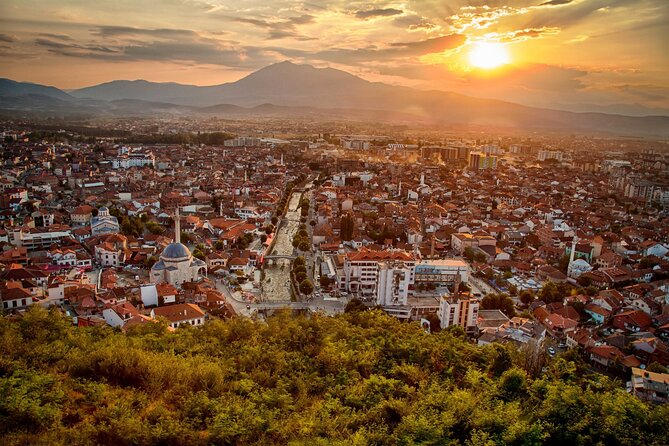
Kotor is UNESCO, with a maze of narrow cobblestone streets. The street plan is intentionally confusing, historically designed to slow intruders, and today it becomes part of the charm. You’ll walk through old buildings and churches that have plaques with construction dates and original uses, which makes the town feel like a living archive.
One highlight for many people is Saint Luke’s church, tied to local unity. It’s the kind of detail a guide brings up naturally, and it helps you understand what locals care about.
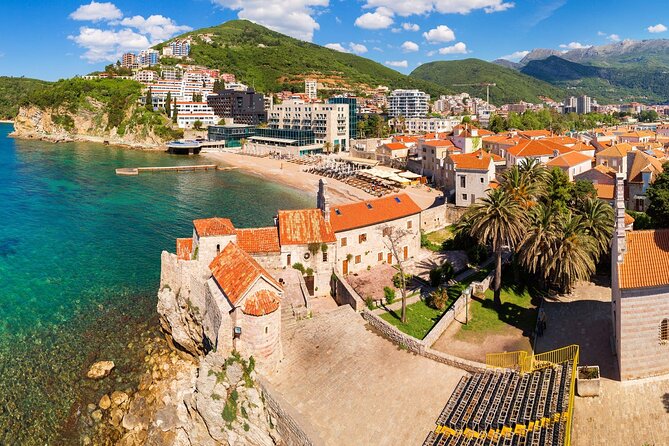
Later, you spend time near the Montenegrin Riviera area, and the route keeps moving toward Budva. Budva gives you the old versus the new split: modern buildings and shopping on one side, and an older historical core with churches like St. Ivan and small religious sites on the other. If you like contrast, this works well.
There’s also a stop for Sveti Stefan viewpoints. You can’t access the island resort, but the coastal view is still worth a photo pause. It’s one of those “stand there and look” moments that helps break up city walking.
Rozafa, Kruja, and Castle-Day Energy in Albania
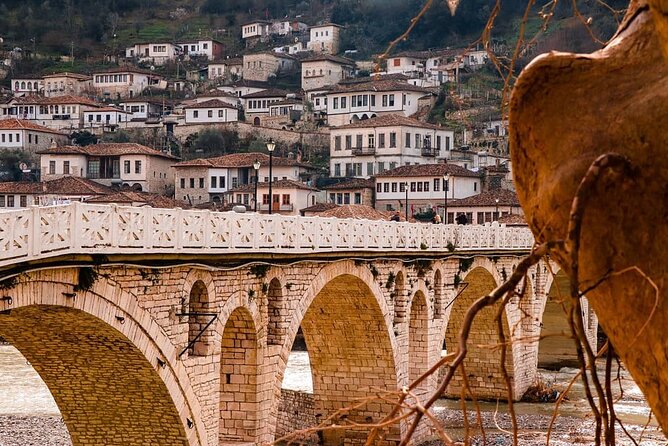
Albania in this trip leans hard into fortresses and viewpoints. You begin with Rozafa Castle, with scenes of the lake and rivers meeting the Adriatic. Even if you’ve seen castles before, the combination of water, river mouths, and cliff positioning makes it feel different.
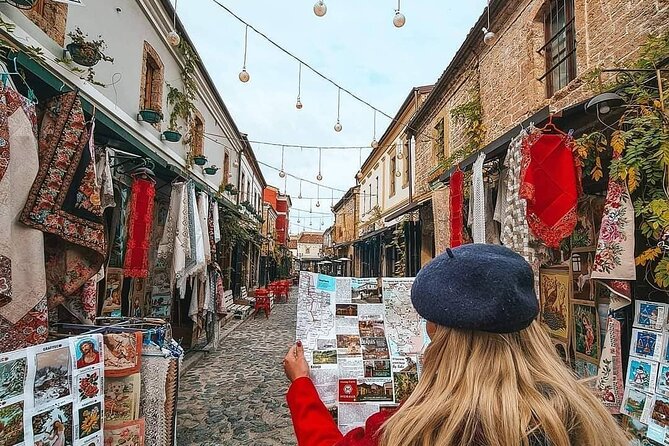
Then you move into Kruja, a town tied to Albanian resistance during the Ottoman period. The day focuses on the Medieval Old Bazaar and the castle itself. The bazaar has wooden houses and narrow lanes, and it’s a practical place to shop for souvenirs like carpets and handmade items if that’s your thing. But even if you don’t shop, it’s a fun texture stop.
In the castle, you’ll also learn about hidden paths used by locals in times of siege. That detail turns “ruins” into a story of survival, not just scenery. And yes, you will likely feel the uphill pace in your legs, so plan for a slower afternoon if you can.
Two days in Split? Here's how to fill the second.
- Split: Krka Waterfalls Trip with Boat Cruise and Swimming★ 4.8 · 10,519 reviews
- From Split: Krka Waterfalls, Food & Wine Tasting Tour★ 5.0 · 9,326 reviews
- Blue cave, Mamma Mia and Hvar, 5 islands speedboat tour★ 5.0 · 7,150 reviews
- From Split: Krka Waterfalls, Food & Wine Tasting Tour★ 4.9 · 6,598 reviews
Slow Food, Vineyards, and Places That Feel Less Like a Set
One of the most memorable non-typical stops is Mrizi i Zanave, a slow-food agro-tourism farm. You get a tour of how the family business works, including how regional bio fresh products are collected, processed, and preserved. The route also emphasizes job creation for over 400 people in the surrounding area, which gives the farm a community role, not just a restaurant brand.
You’ll have free time for a traditional lunch or to buy fresh produce from the farm, though meals beyond breakfast are not included. Translation: this is a good day to decide how much you want to spend on food experiences versus doing simpler lunches elsewhere.
Later, you visit Rahovec Valley, tied to viticulture and wine culture. Grapes have been cultivated there since Illyrian times, and the route notes an annual wine festival in September. This is a great segment if you like farms, landscapes, and the idea of food as a long-term regional tradition rather than a tourist menu.
Tirana Food Tour With a Local Companion and Bunk’Art 2
Tirana is where the trip shifts from monuments to daily life. You’ll have a local companion and a food-first approach, with stops for byrek and breakfast-style sampling. The tour includes time at Tregu Çam market and a look at the Çam community’s influence, including goods tied to their background from Çameria.
I like that the route doesn’t treat food like a side quest. You also taste traditional coffee culture with Albanian coffee, then walk through neighborhoods where people shop and live, not just pose.
Then you hit the Bicycle bazaar and Pazari i Ri, which turns the shopping scene into a story of thrift, everyday goods, and local lunch culture. Lunch includes the famous qofte meatballs grilled and paired with freshly baked bread, plus raki tasting. Vegetarians can do the bread with Albanian gjize. (Because lunch and dinner are not included, you’ll want to plan whether you choose that provided lunch meal or keep it as a sample day.)
The final Tirana stop is BUNKART 2, a museum set in a nuclear bunker designed for Enver Hoxha and his inner circle. It was hidden from the public until 2014 and then turned into a museum. It’s intense, but it gives you a direct feel for how the communist era shaped ordinary life.
North Macedonia With Ohrid and St Naum: Lake Views That Earn Their Spot
Crossing into North Macedonia, you start with Struga and a quick drink by the Drini River source. Then you move to Ohrid, UNESCO and one of the oldest settlements in Europe. The route focuses on key places like viewpoints at the Church of St. John, the Church of St. Nicolas, and the Halveti Hayati Tekke mosque.
What makes Ohrid work on a guided trip is that the guide connects the religion and geography story: Ohrid became a key center for Orthodox believers during the Byzantine era, and the lake setting explains why this place mattered so much. Even if you’ve heard of Ohrid before, you’ll likely understand it better after walking with a guide.
Then comes St Naum, right at the source of River Crni Drim. The monastery complex is in Galicica National Park and belongs to a protected area. The setting is crystal clear and green with mountain peaks in the background, so it feels like a natural pause from city walking. Entrance is included, which makes it easy to stay in the moment.
Berat and Gjirokaster: The 1001 Windows to the Stone City
If you want architecture that feels human-sized instead of theme-park sized, these two days deliver. Berat is known as the town of 1001 windows and it’s UNESCO. You walk narrowed stone streets and look at medieval old houses with windows stacked on hillsides. It’s the kind of visual that doesn’t read well from a bus seat.
Berat Castle is included, plus stops for the Onufri Iconographic Museum and the Gorica neighborhood. The route also notes that residents still live inside castle walls, which makes it more than a history set. This is a living city layer, not a reconstructed village.
Then you go to Gjirokaster, the Stone City. The houses feel like fortresses, and the town has a UNESCO heritage designation. You tour the castle, plus the medieval bazaar and one of the best-preserved houses in the older area. The structure and stone layout help you picture daily life in a defensive setting.
If you’re the type who loves towns you can return to on your own later, these are strong candidates.
Greece Finish: Ioannina Old Town, Castle Walls, and Meteora Sunset
The final days bring you into Greece with a calmer, grand-scale finale. You start in Ioannina, walking cobbled streets where Byzantine and Ottoman-era architecture shows up in the buildings. Then you explore the imposing Ioannina Castle, with narrow historic streets and cafes inside the walls. You’ll have time for Greek food in this area, which is a great way to end the Balkan food loop.
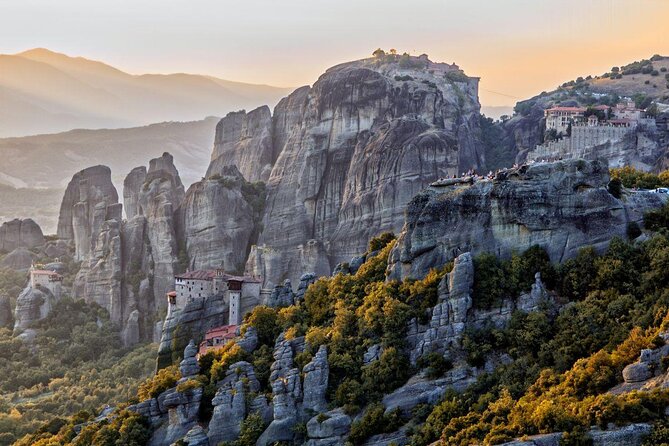
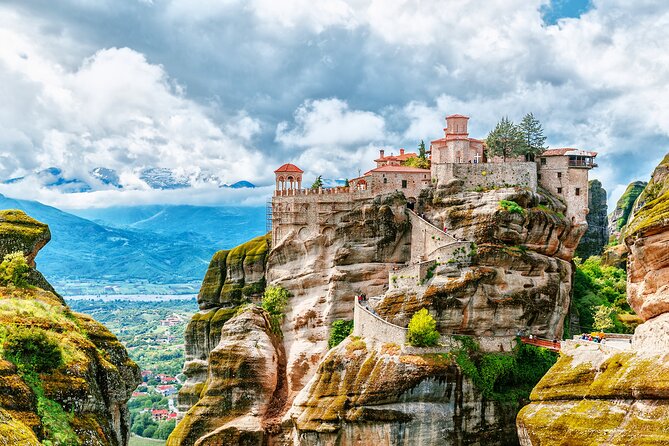
Next is Meteora, UNESCO and built on dramatic rock formations. The monasteries perched overhead give you that “how did they build this here” feeling. The tour includes time for a major sunset experience, which is often why people plan this part of Greece. If the skies cooperate, it turns into one of those evening memories you don’t need to force, just watch.
The Northern Albania Hiking and Lake Koman Ferry Moment
Your trip is also built around a guided active segment in northern Albania, including hiking in Valbona Valley National Park and ferry travel across Lake Koman. You stay at local guesthouses with included breakfast during this part of the route.
This is where the whole tour becomes more than sightseeing. Hiking with a guide helps you move with confidence on uneven terrain, and the lake ferry adds a slower, scenic break from constant city pacing. If you like mixing body effort with viewpoints, this is one of the best value pieces of the itinerary.
Where You Stay, Breakfast Rhythm, and How to Budget Lunch
Overnights are in 3-star hotels with breakfast included (BB) on all listed nights. The trip also includes tourist taxes, international car insurance, road taxes, and petrol, which reduces surprises when you arrive each day.
A useful practical tip: breakfast is included, but lunch and dinners are not. That means you should keep daily spending flexible. Bring some cash or a card plan, and decide in advance how often you want a paid lunch experience versus a simpler meal on your own.
From my perspective, this setup works well for independent food breaks, especially in cities like Sarajevo, Tirana, and Ohrid where you’ll find lots of meal options.
Also, since the tour moves across multiple countries, you should expect more travel days than a single-country vacation. That’s the trade. If you stay flexible and treat meals as part of the experience, the rhythm feels natural instead of rushed.
Practical Tips That Make This Trip Easier
A few things will help you enjoy the days more, and they’re based on the way the program is structured.
First, wear shoes that handle cobblestones, uneven terrain, and castle stair climbs. This route includes old town walking, fortress interiors, and churches where you’ll likely take stairs as part of the sightseeing.
Second, plan for early starts. Pickup is in Split at 7:30am, and you should expect similar momentum throughout the trip. If you like slow mornings, you can still get them sometimes, but the main sightseeing blocks move early.
Third, bring a simple budget plan for meals and souvenirs. Entry tickets for visited sites are included, but lunch and dinners are on you. If you shop for carpets, handmade items, or local crafts, set a rough cap so you don’t overdo it.
Finally, tipping is not required in the Balkans, but the tour suggests tipping the tour leader and driver as an international practice if service is good. For small group trips, it often feels like the right way to say thanks for all the planning and pacing.
Should You Book This Split to Athens or Corfu Tour?
I’d book this if you want a guide-led small group trip that covers a lot of top destinations without making you manage borders, transfers, and entry logistics. The biggest strength is how the route turns complicated travel into a smooth sequence, and the tour price makes more sense when you consider that transport, most entry tickets, and the end ferry connection are handled for you.
You might want to choose something else if you hate early mornings or if you want a slower pace with lots of free days to wander at your own tempo. This one is structured, and the walking is real.
If your ideal trip is castles, old streets, lake scenery, and guided context with plenty of photo moments, this is a strong fit.
Recently added around Split
- Private VIP Brac and Hvar Day Trip from Split
★ 5.0 · 1 review - Private Transfer From or To the Split Airport
★ 5.0 · 1 review - Brač Half Day Beach Party Transfer to Olife Beach Club
★ 5.0 · 1 review - Private Transfer from Split to Zagreb, Hotel-to-hotel, English-speaking driver
★ 5.0 · 1 review - Airport transfers
★ 5.0 · 1 review - Private ”Game of Thrones” Walking Tour in Split (entrance tickets included)
★ 5.0 · 1 review
Private, compared.
PRIVATE Walking Tour of Diocletian’s Palace & Old Town
Read our review →
Private Krka Waterfalls tour with 30min Boat Cruse
Read our review →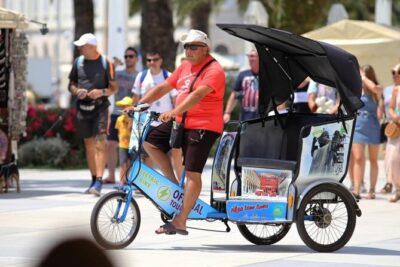
Split by Private Electric Rickshaw – Palace & Hidden Gems
Read our review →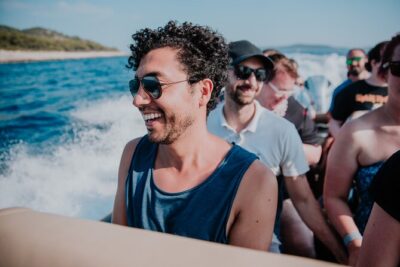
Private Blue cave, Mamma Mia and Hvar, 5 islands tour from Split
Read our review →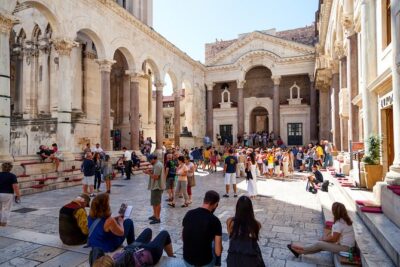
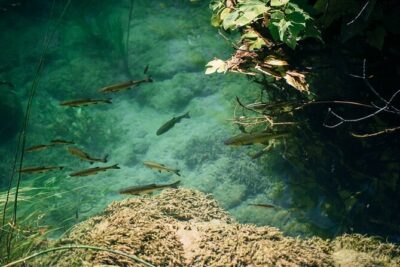
Private Full-Day Krka Waterfalls Tour with Wine Tasting
Read our review →
Private Boat Tour by local expert – Create Your Itinerary
Read our review →