
Reviewed · TROGIR TRIPS
From Split & Trogir: Pelješac Peninsula Food & Wine Tour
Salt walls and oysters in one long day. From Ston to oyster tasting, this 12-hour Pelješac Peninsula trip is built around two things Croatia does extremely well: salt history and shellfish flavor.
What I like is the mix of old-world visiting and real tasting. You get time in a medieval town with major city walls, then you see how salt has been made for centuries at the oldest saltworks in Europe. I also appreciate that lunch and wine tasting are built into the schedule, not tacked on later, including a 3-course lunch and a proper wine stop on the peninsula. The main drawback is pacing. Between transfers, you will have only short chunks of free time at each place, so if you want a slow, linger-all-day style, this may feel a bit tight.
In This Review
- Key highlights worth planning for
- Planning the 12-hour route from Split or Trogir
- Ston’s medieval walls, and why they are more than a photo stop
- Solana Ston saltworks: the oldest salt-making method in Europe
- Villa Koruna in Mali Ston: oyster sampling that is actually the point
- Wine tasting on the Pelješac Peninsula, with Plavac Mali at the center
- Price and value: what $329 includes, and what it does not
- Who this Pelješac day trip fits best
- Should you book this tour? My quick decision guide
- FAQ
- How long is the Pelješac Peninsula food and wine tour from Split and Trogir?
- What food and tastings are included?
- How long do I have at Ston?
- Do I need to buy tickets to the saltworks?
- Is pickup available, and where can I be picked up?
- What do I need to bring?
Key highlights worth planning for
- Ston’s massive city walls: walk part of one of Croatia’s most impressive fortifications, tied to the Dubrovnik Republic.
- Solana Ston saltworks visit: learn the same salt-making methods that have lasted for hundreds of years.
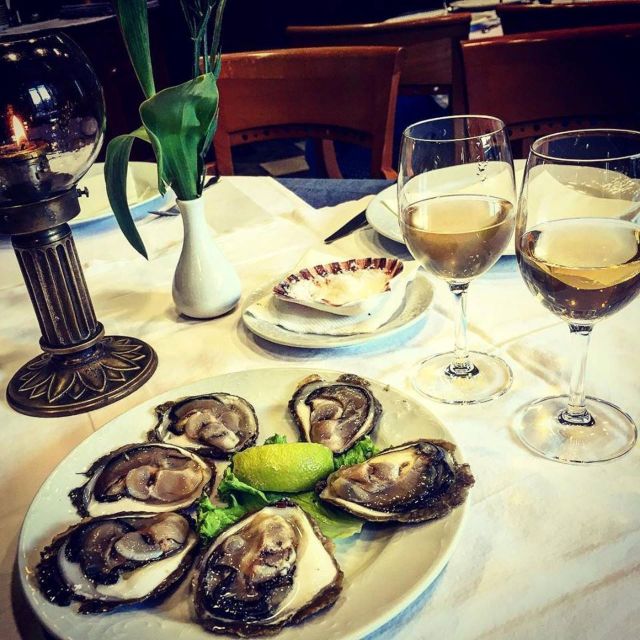
- Mali Ston oyster sampling: taste 3 oysters with a glass of wine, right where shellfish farming is the point.
- Villa Koruna lunch: enjoy a meal that comes with options, including fish, meat, or vegetarian.
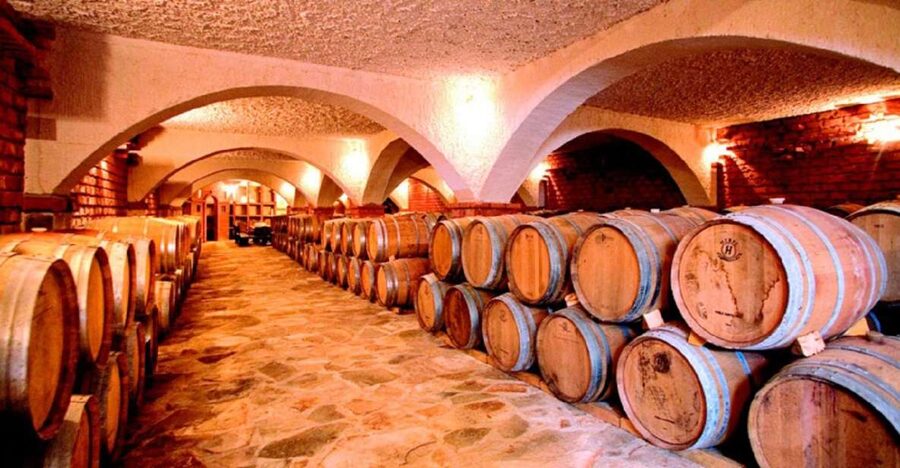
- Wine tasting on Pelješac: sample local wines plus prosciutto and cheese, with Plavac Mali front and center.
- All-in day that reduces decision fatigue: transport, entrances, and key tastings are included in the price.
Planning the 12-hour route from Split or Trogir
This trip is designed as a full-day Pelješac hit, starting with pickup from the Split and Trogir area. There are 10 pickup choices, including places like Split (Peristil ul. 2 and Cesta Dr. Franje Tuđmana 75), Trogir (Budislavićeva ul. 7), Solin (Peristil ul. 2 and other nearby options), plus Seget Donji and Seget Vranjica. You typically wait in the lobby about 10 minutes before your scheduled pickup.
Expect a long but straightforward rhythm: ride, stop, walk, taste, ride again. The first transfer is about 2 hours before you reach Ston. After that, the day stays active, with short guided moments and free time where you can reset, grab photos, and eat when it is time to eat.
One practical note that matters: you must bring a passport (or for EU citizens, an ID is mentioned). In Croatia, that is not the kind of detail you want to discover at pickup time.
And yes, you will be spending most of the day outside, so wear shoes that handle uneven old-street surfaces and consider a light layer. Inland and along the coast can feel different depending on the day.
Ston’s medieval walls, and why they are more than a photo stop
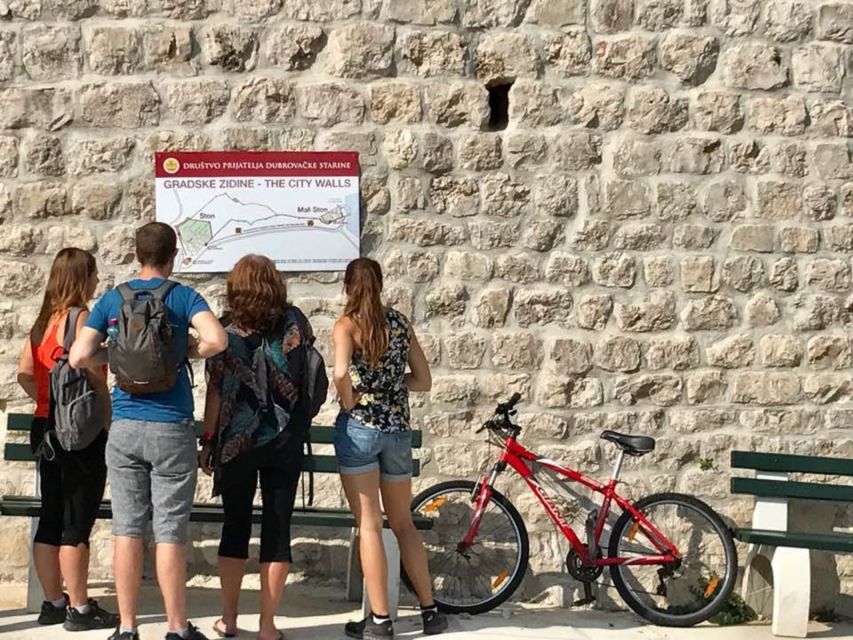
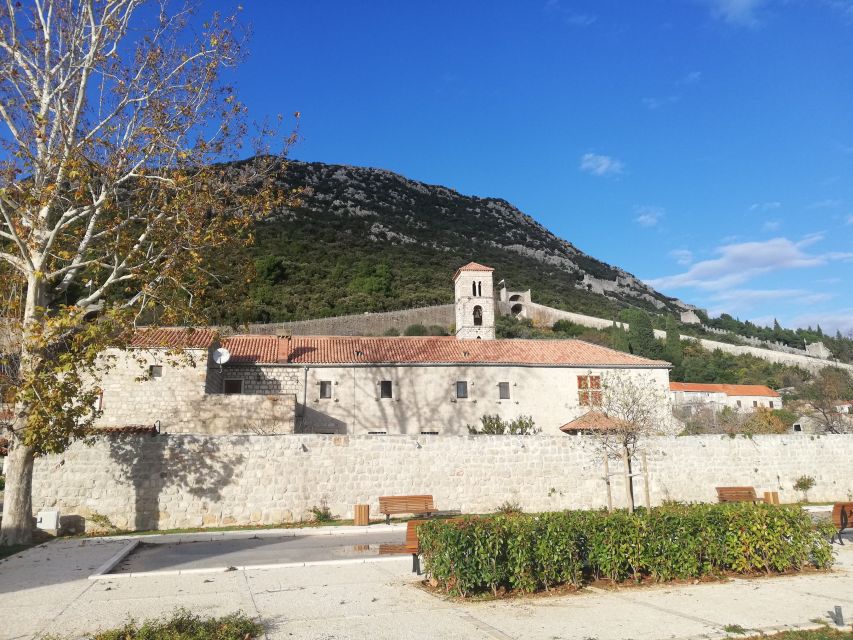
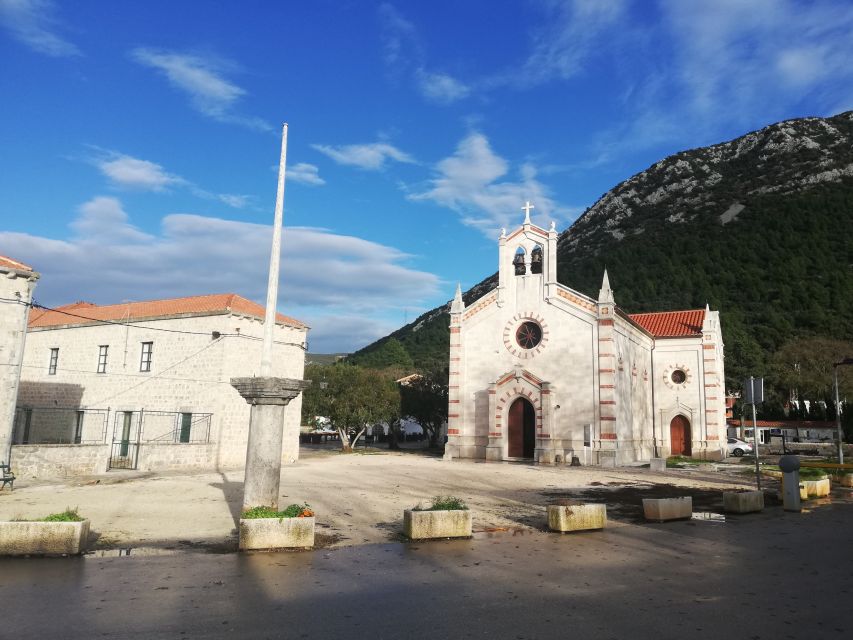
Ston is the kind of town where you feel the purpose of its location right away. It is known for major fortifications, with its city walls described as the second longest in Europe and the second longest in the world. Even if you only see parts of them, you get a real sense of scale.
The tour gives you about an hour of free time in Ston, plus a sightseeing component. That hour is not just about snapping a few angles. Ston sits in a historical zone tied to the Dubrovnik Republic, and the tour context helps you read the town correctly, especially when you wander the narrow streets.
Here is what I think you will appreciate most at Ston: it is easy to connect the dots. This is not a random medieval town you pass through. It is tied to salt and trade, which is exactly where the day goes next. In other words, Ston is the “why” before you get the “how.”
What to watch for: because you only have a limited window, it helps to decide in advance how much wall-walking you actually want to do. If you try to do everything, you can end up sprinting between viewpoints. A calm plan beats a frantic one.
Taste Dalmatia one stop at a time
Solana Ston saltworks: the oldest salt-making method in Europe
After Ston, the next stop is SOLANA STON Ltd., the saltworks area. This is where the trip turns from scenery to process. You spend about 40 minutes here, with time to walk and take in what salt production looks like on the ground.
The key selling point is simple: these are described as the oldest saltworks in Europe, using salt-making methods that have stayed the same for hundreds of years. That kind of continuity changes the experience. You are not just touring a museum concept. You are seeing an industrial landscape that has been doing one job for a very long time.
Even if you are not a science person, the saltworks help you understand why Ston matters. Salt was valuable, and when salt is valuable, fortifications and towns follow. It also ties directly to why Mali Ston later becomes so focused on shellfish. In coastal Dalmatia, food, trade, and survival are often connected more than you expect.
Practical tip: wear shoes you do not mind getting a little dusty. Saltwork areas can involve uneven ground and close-up walking.
Villa Koruna in Mali Ston: oyster sampling that is actually the point
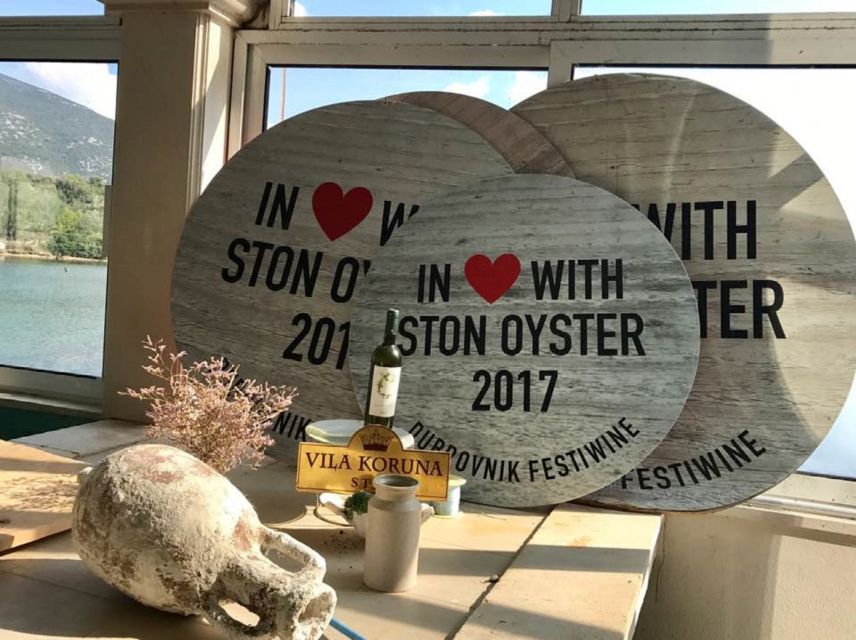
Next you head to Mali Ston, the shellfish center of this story. Mali Ston is famous for cultivating seafood, especially oysters and mussels. This is not an abstract regional specialty. It is a working destination where the food you are about to taste is local and seasonal.
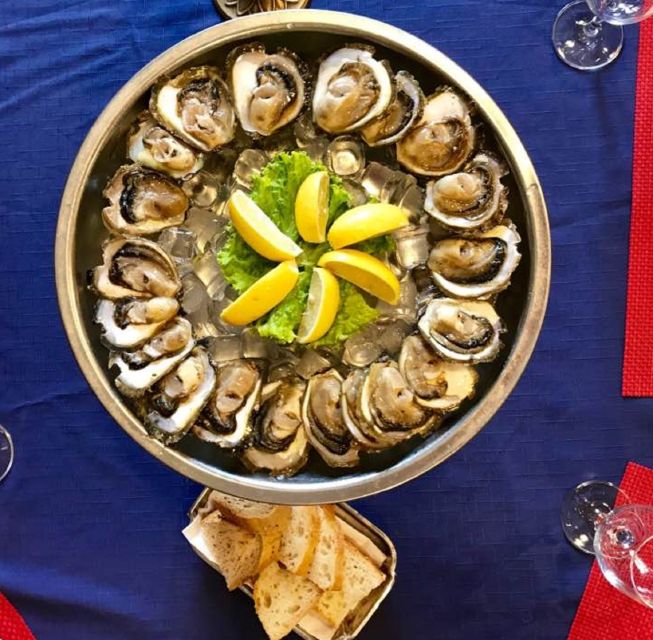
Your visit includes an oyster sampling described as 3 oysters, plus a glass of wine. That pairing is not random. It is the clearest way to experience the local flavor quickly, without turning the day into a full-on restaurant crawl.
After the tasting, you enjoy lunch at Villa Koruna. The lunch is described as 3-course, with options including fish, meat, or vegetarian. Having that choice matters on a food-focused day trip. You still get the structure of a shared meal experience, but you do not feel forced into the one option on the menu.
A good way to think about the lunch here is timing. Mali Ston is the food climax of the trip. If you skip lunch or try to snack lightly earlier, you might end up over-hungry later, which can make wine tasting feel heavier than it should. Eat when it is served, take a breath between courses, then let the wine come after.
What you might want to consider: the day is very food-and-drink forward, so if you are the type who prefers quiet sightseeing, Mali Ston will feel more like a tasting stop than a long wandering day. That is not a flaw, just a match question.
Wine tasting on the Pelješac Peninsula, with Plavac Mali at the center
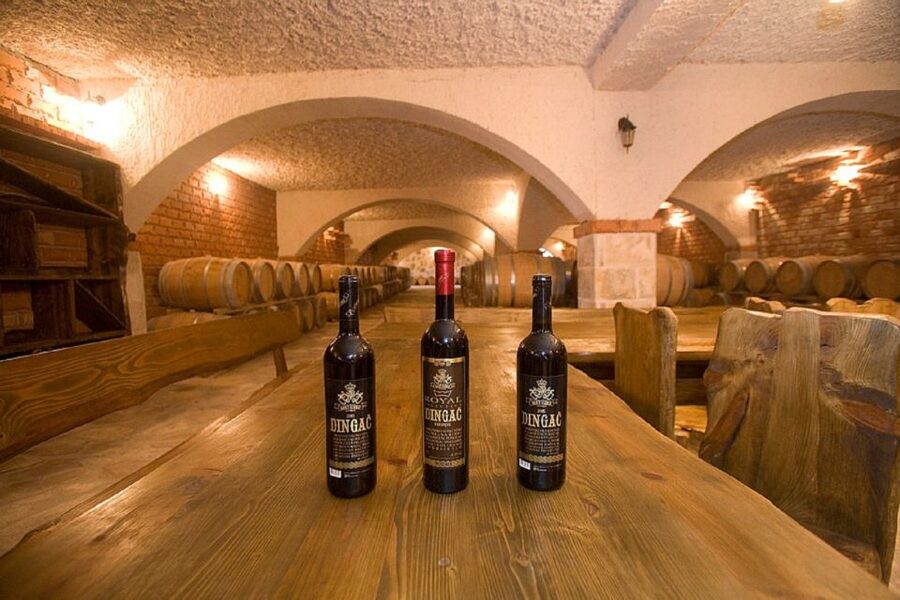
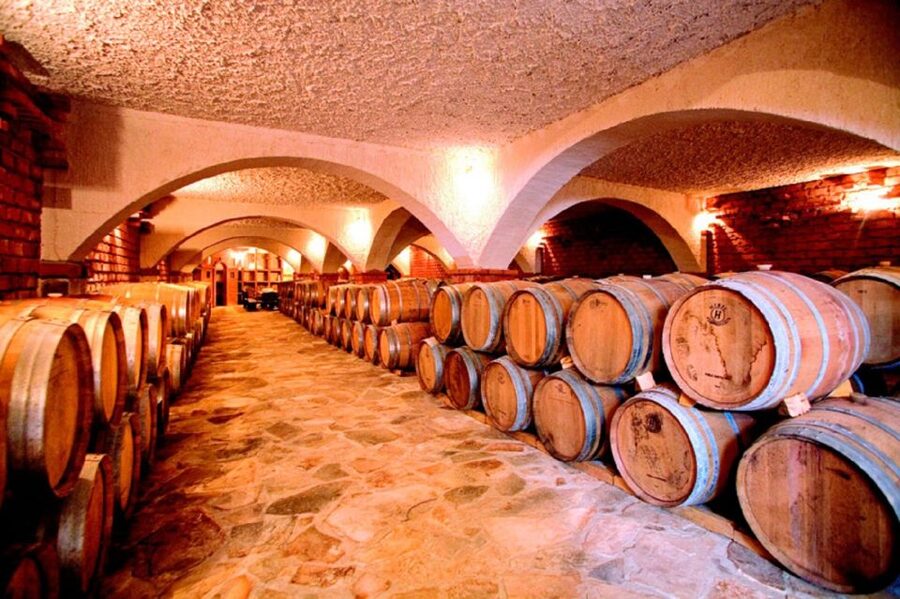
After lunch, the schedule shifts from seafood to vineyards. You go to a winery in a small village on the Pelješac Peninsula for wine tasting, described as about 45 minutes and paired with prosciutto and cheese.
This is where local grape variety matters, and the tour gives you the right names to look for later. Pelješac is famous for its wines, especially Plavac Mali, a local red grape variety. The supplied info says Plavac Mali covers 90% of all vineyards there, which is a big clue about what you are likely to taste. Other grapes mentioned include white varieties called Posip and Grk.
So what does that mean for you on this day trip? It means the wine tasting is not just generic sips. It is built around the peninsula’s identity. Even if you are new to Croatian wine, you will likely leave knowing what to order next time.
Keep your expectations realistic. The tasting time is short. You are sampling enough to orient your palate, not leaving with a winemaker’s notebook. If you enjoy learning through small sips, you will be happy here.
Also, since wine is part of the itinerary, drink water when you can and pace yourself. The transfers come back later, and you do not want the last part of the day to feel like a blur.
Price and value: what $329 includes, and what it does not
At $329 per person, this is not a bargain-basement day trip. But it is also not just a bus ride with two stops. The included items cover the expensive parts of a food-focused day:
- Air-conditioned vehicle transport
- English-speaking driver and live guide support (English)
- Entrance tickets to the saltworks in Ston
- Oyster tasting: 3 oysters plus a glass of wine
- Lunch at Villa Koruna (fish, meat, or vegetarian menu)
- Wine tasting plus prosciutto and cheese
- Insurance, plus VAT and taxes
That combination is the real value equation. If you priced those separately on your own, you would almost certainly spend more, especially once you add entrance tickets and guided timing. You are paying for the convenience of a full loop across Ston, saltworks, Mali Ston, and a vineyard.
The main thing not included is general food and drinks beyond what is specified. So if you want extra drinks, snacks, or a second bite outside lunch, you will need to budget for that on your own.
One more value angle: the tour mentions private or small groups are available. Smaller groups often mean less waiting around and fewer stretches of time where you feel like you are herding yourself. The exact group size is not stated here, so treat it as a possibility, not a guarantee.
Still only know Croatian wine by name?
- Krka National Park Tour with tour Guide & Wine tasting from Split & Trogir★ 5.0 · 1,625 reviews
- Split/Trogir: Krka National Park Day Trip with Wine Tasting★ 4.7 · 925 reviews
- Split/Trogir: Mostar and Medjugorje Tour with Wine Tasting★ 4.5 · 282 reviews
- Private Full-Day Krka Waterfalls Tour with Wine Tasting★ 5.0 · 263 reviews
Who this Pelješac day trip fits best
This tour is a strong match if you like food and you like context. You are not just eating oysters because they are famous. You are also learning why Ston and the saltworks matter, then tasting in Mali Ston where shellfish farming is the main theme.
It also suits people who want a practical day out of Split or Trogir without having to plan a route, coordinate multiple bookings, and hope transit timing works. The itinerary is structured enough that you do not need to be a logistics expert.
This may be less ideal if you:
- Prefer long museum-style visits or slow wandering with lots of free time
- Do not want wine tasting as part of your day
- Have a hard time with long seated travel time, since you are looking at a full 12 hours
If you are traveling as a couple or a friend pair and you want one memorable food day that still includes real history, it is a very reasonable choice.
Should you book this tour? My quick decision guide
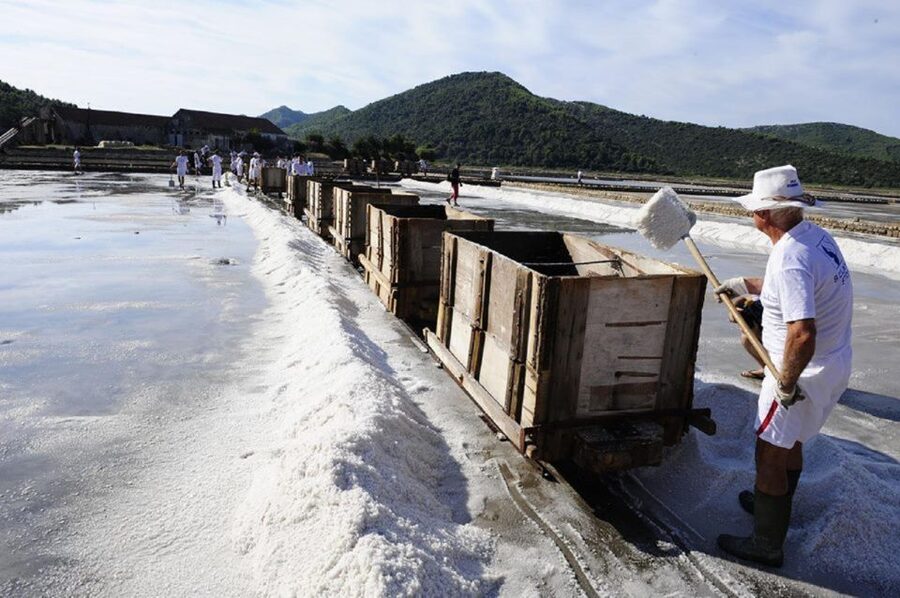
Book it if your “must-do” list includes Ston, saltworks with real production history, and oyster tasting in Mali Ston, then you want a wine tasting stop that lines up with Pelješac’s signature grapes. The day is built to connect the dots between fortifications, salt, and seafood, which is what makes it more than a checklist trip.
Skip it if your top priority is unhurried exploration. The schedule is active, free time is limited at each stop, and the day is long. You will still see a lot, but you will not have the kind of freedom you get when you travel slower on your own.
FAQ
How long is the Pelješac Peninsula food and wine tour from Split and Trogir?
It lasts 12 hours total.
What food and tastings are included?
You get an oyster tasting of 3 oysters with a glass of wine, a 3-course lunch (fish, meat, or vegetarian), and a wine tasting paired with prosciutto and cheese.
How long do I have at Ston?
You have about 1 hour for Ston, plus sightseeing time.
Do I need to buy tickets to the saltworks?
No. Entrance tickets to the Ston saltworks are included.
Is pickup available, and where can I be picked up?
Pickup is optional and there are 10 pickup locations, including Split and Trogir, plus nearby areas like Solin and Seget Donji. You wait in the hotel lobby about 10 minutes before the scheduled pickup time.
What do I need to bring?
You need to bring your passport (the information notes EU citizens can use an ID as well).
Local Flavors of Split

Trogir's Island Old Town


Recently added around Split
- Private VIP Brac and Hvar Day Trip from Split
★ 5.0 · 1 review - Private Transfer From or To the Split Airport
★ 5.0 · 1 review - Brač Half Day Beach Party Transfer to Olife Beach Club
★ 5.0 · 1 review - Private Transfer from Split to Zagreb, Hotel-to-hotel, English-speaking driver
★ 5.0 · 1 review - Airport transfers
★ 5.0 · 1 review - Private ”Game of Thrones” Walking Tour in Split (entrance tickets included)
★ 5.0 · 1 review
Trogir Trips, compared.
Blue Cave, Mamma Mia, Hvar and 5 Island Tour
Read our review →
Blue Cave and Hvar Tour – 5 Islands Tour from Split and Trogir
Read our review →
Krka Waterfalls Day Tour with Boat Ride from Split and Trogir
Read our review →
Krka Waterfalls tour with Trogir Walking tour and Krka panoramic boat cruise
Read our review →
Krka National Park Tour with tour Guide & Wine tasting from Split & Trogir
Read our review →
Hvar, Brač & Pakleni islands cruise with lunch & drinks from Split & Trogir
Read our review →
Mostar and Herzegovina Tour with Kravica Waterfall from Split & Trogir
Read our review →Browse the lists this tour appears in