
Reviewed · KLIS FORTRESS TOURS
Split: Olive museum Klis with Olive Oil Tasting
Liquid gold starts with a sniff. This Split-area experience pairs a guided tour of the traditional family estate at Stella Croatica with an olive oil tasting that teaches you to spot real extra virgin quality. Along the way you also get a rare look at the estate’s herb and plant world, with a walk through a 500-species botanical collection.
I especially like two parts: the estate’s practical, behind-the-scenes production stories, and the tasting workshop that shows you how professional tasters evaluate olive oil. The one drawback to think about is that the museum site itself may not feel like a full-on olive grove, so if you’re expecting fields and trees right on the grounds, you could be slightly disappointed.
In This Review
- Key highlights you should not miss
- Entering Stella Croatica: where the lesson starts
- The factory scenes: figs, almonds, oranges, and lavender
- From Dalmatian herbs to natural cosmetics
- The botanical collection with 500 species: more than walking paths
- The Olive Oil Museum: liquid gold with context
- Tasting room workshop: learning extra virgin by doing
- Handmade sweets and cosmetic testing: small extras that add up
- Concept store time: buy under factory prices
- Time to wander the park or grab lunch
- Price and logistics: $18 that feels right for the workshop
- Who should book, and who might want a second thought
- Should you book the Split Olive Museum and tasting?
- FAQ
- What does the tour include?
- How much does it cost?
- What languages is the tour offered in?
- Can I bring my own food or drinks?
- Are video recordings allowed?
- Is there time to eat or explore after the main experience?
- Where do I meet the host?
Key highlights you should not miss
- A family-estate tour at Stella Croatica, focused on how traditional products get made
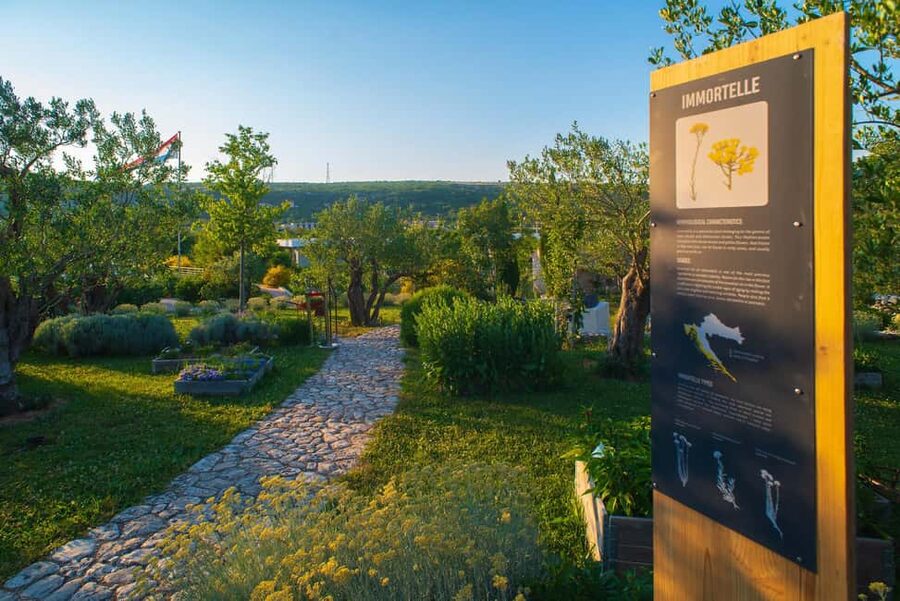
- A botanical collection with 500 plant species, including herbs you can connect to everyday uses
- Olive Oil Museum, finalist for the European Museum of the Year Award 2023, so it’s more than a small display
- Hands-on extra virgin olive oil recognition, built as an interactive tasting lesson
- Two extra virgin olive oils to taste, both clearly labeled, so you can compare like a pro
- Optional time after the workshop to wander the park or grab a traditional lunch
Entering Stella Croatica: where the lesson starts
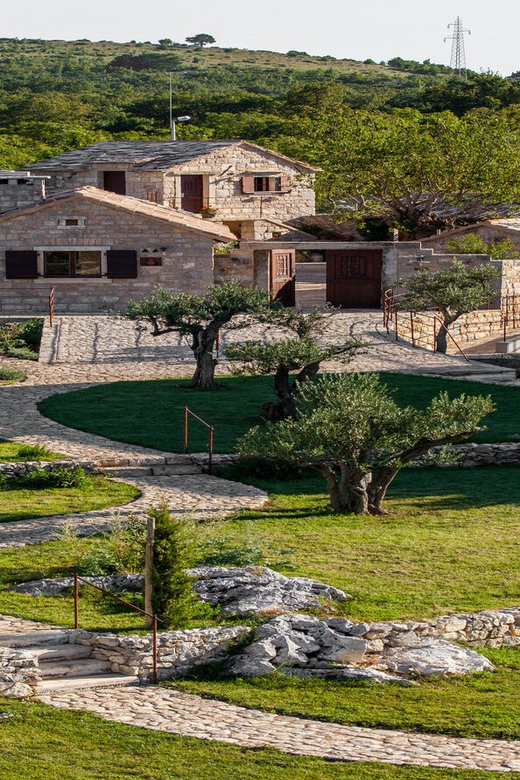
Stella Croatica sits in Dalmatia, and the tone of the visit is practical from minute one. You start at the main building and meet your host, then you’re guided through the estate like a mini classroom that still feels like a working family operation.
Why this works: olive oil education can easily turn into “just read a panel.” Here, you’re shown how people actually connect herbs, plants, and food to finished products. Even if you already cook with olive oil, you’ll likely leave with a clearer sense of what you’re tasting and why quality matters.
If you want a simple win, aim to ask your host to explain the basics of extra virgin quality during the early parts of the tour. That prep pays off later in the tasting room, where the workshop becomes much easier to follow.
The factory scenes: figs, almonds, oranges, and lavender
One of the tour’s smartest moves is how it begins with traditional production. You’ll witness local ladies producing and packing items made from figs, almonds, oranges, and lavender. It’s not just a quick photo stop, either. You get enough context to understand that these products come from a culture of careful handling, not mass shortcuts.
That matters for olive oil, because it trains your brain to see “quality” as a chain, not a slogan. The same mindset used for fruit and herbs is applied to how olive oil gets produced and evaluated. If you’re the type who likes to learn the whole system, this opening section is a strong start.
You should also note that the rules are tidy but clear. You are not allowed to bring food or drinks, and you can’t record video during the experience. Plan to go ready to watch and taste what’s provided, so you’re not distracted later.
Dalmatia's other liquid gold
From Dalmatian herbs to natural cosmetics
Next you move into another production theme: extracting essential oils from typical Dalmatian herbs and using them in natural cosmetics. This is one of those details that may sound like a detour, but it’s actually useful.
Here’s the logic: once you’ve seen how scent compounds and plant extracts are handled carefully, the later “sniff and taste” part of olive oil evaluation lands better. You learn that aromas aren’t random. They come from specific inputs, and quality comes through in how you detect and interpret them.
If you’re traveling with kids, this portion is often a hit because it turns science-adjacent ideas into something tangible. The estate is set up to explain, not just show, so even younger visitors can follow along when the guide keeps it clear and moving.
The botanical collection with 500 species: more than walking paths
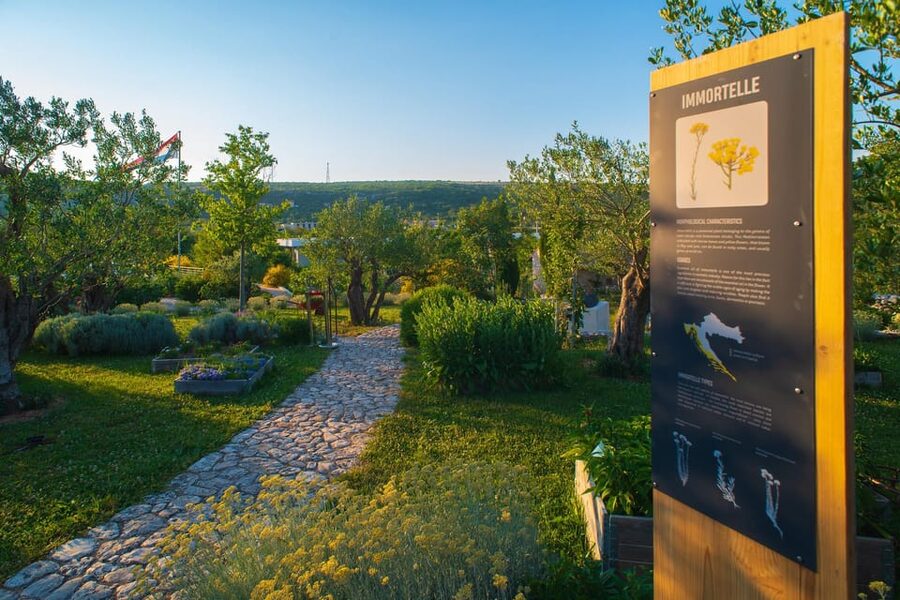
The botanical collection is a major reason many people rate this experience highly. You walk through an area with 500 species, and your guide explains what some plants can be used for.
You’ll get the most out of this segment if you treat it like a “connect the dots” walk. Instead of only asking what a plant is called, ask what people use it for. That habit makes you remember more, and it helps you understand why an olive oil museum is paired with an herb garden.
Practical tip: wear shoes you don’t mind getting a little dusty or scuffed. You’ll be walking around an outdoor garden setting where the ground can be uneven.
The Olive Oil Museum: liquid gold with context
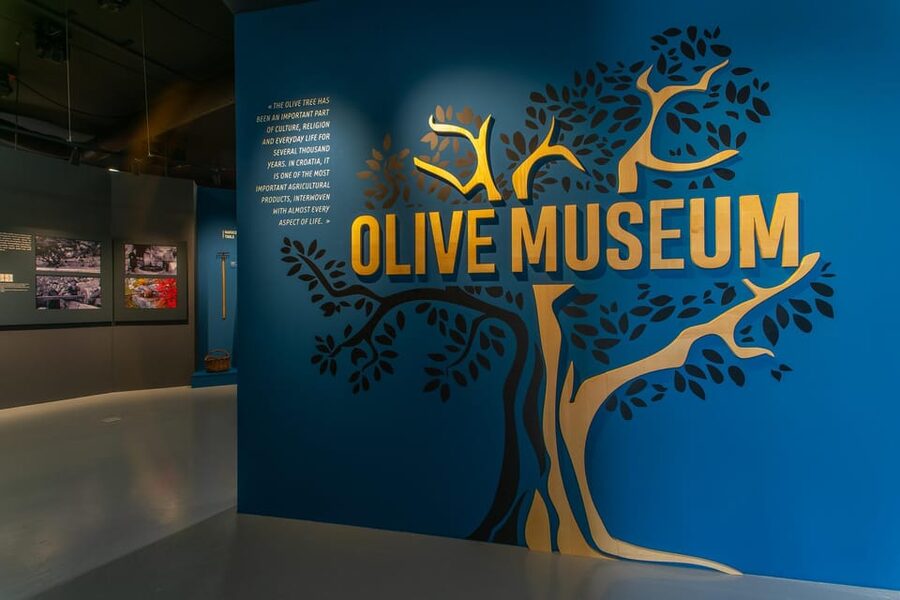
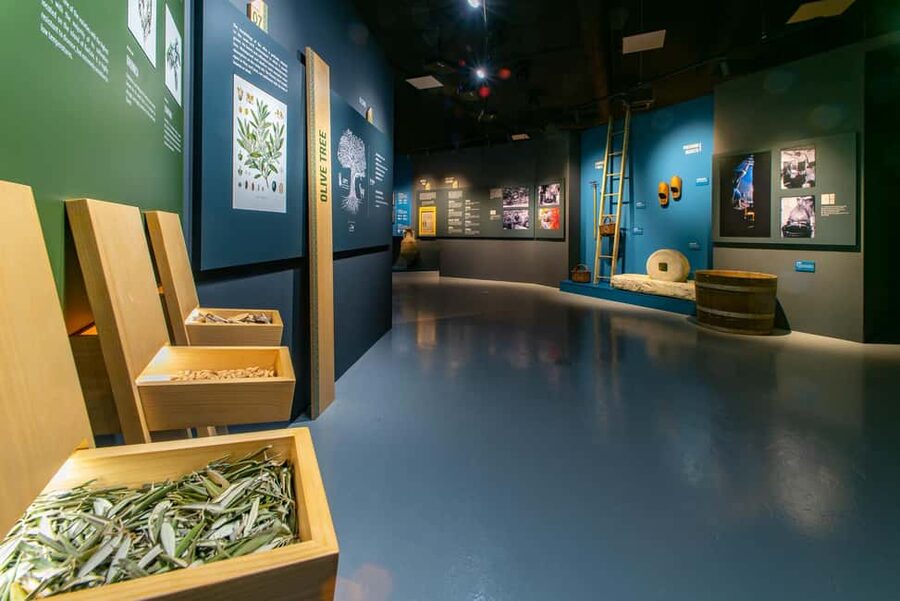
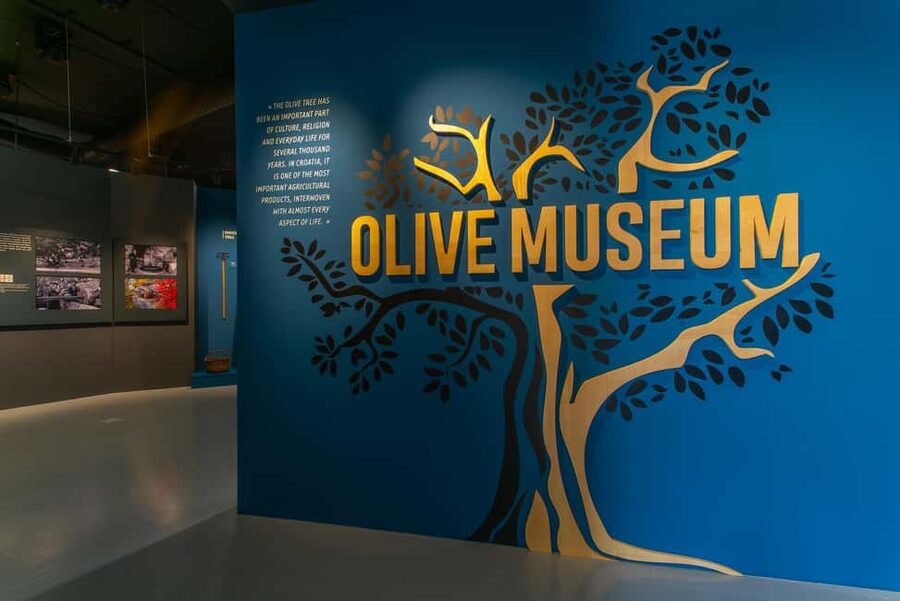
Then comes the heart of the visit, the Olive Oil Museum. The museum highlights “The Liquid Gold” growing in Croatia and it’s been recognized as a finalist for the European Museum of the Year Award 2023. That doesn’t mean it’s a huge, multinational museum. It does mean the place aims to educate, and it takes visitor experience seriously.
What to look for inside:
- How the museum frames olive oil as a local product, not an imported commodity
- How it connects Croatia’s olive oil story to daily production and evaluation
- How the educational flow leads naturally into the tasting room
One balanced note: some people find the museum part less exciting than the workshop. If you’re expecting olive trees or a view of fields right from the museum, you might feel the grounds are more compact than you imagined. Still, the core value is in the transition from museum to tasting, where you do real learning through comparison.
Tasting room workshop: learning extra virgin by doing
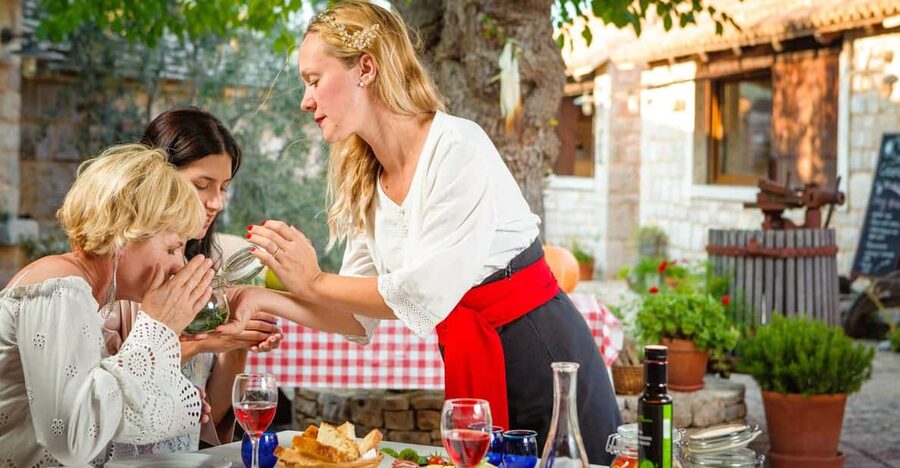
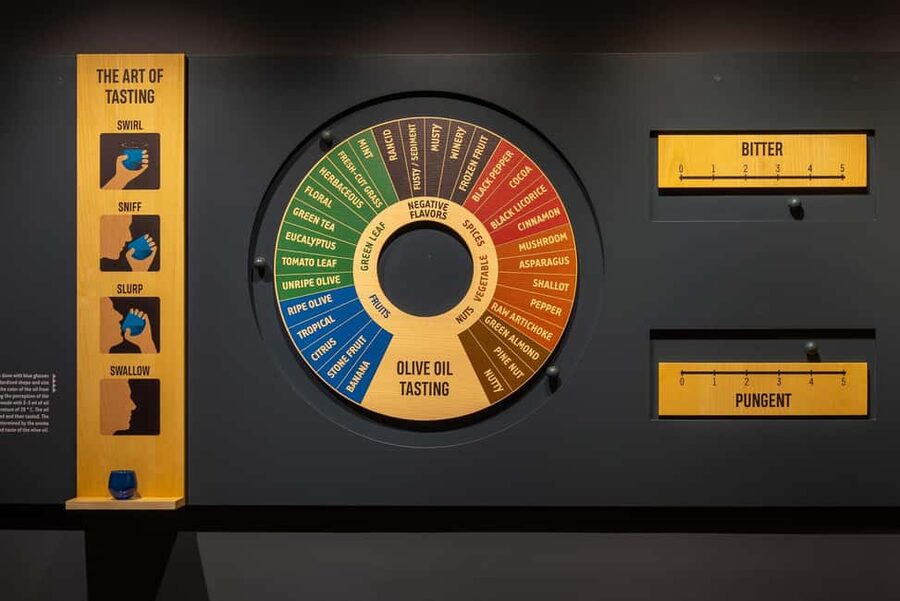
This is the part that usually earns the biggest smiles. In the tasting room, you get an education on how to recognize extra virgin olive oil through an interactive experience. The format is designed to make you think like a professional taster, not like someone guessing with taste buds alone.
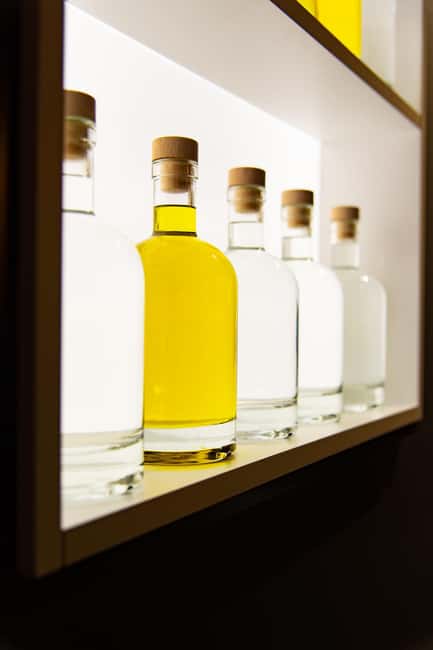
You taste two different olive oils, and both are labeled extra virgin. That labeling matters. You’re not being tricked with unknown categories, so your job becomes straightforward: compare aroma, flavor, and overall quality cues you’re being taught to notice.
Based on feedback from people who attended, the most useful takeaway is that it works like a sommelier lesson. You sniff and taste, then learn how those sensory steps connect to quality.
How you can prepare (so you get maximum value):
- Pay attention to the tasting method your host explains before you swallow or evaluate
- Take notes mentally, especially on differences between the two oils
- Let your curiosity win. If you find one oil less pleasant at first, the lesson usually helps you translate that reaction into something meaningful
If you love food education, this tasting is worth the trip on its own. If you’re mainly there for the museum, make sure you don’t skip the workshop, because that’s where the learning turns hands-on.
Ramparts above the Split plain
- Split: Klis Sunset Sightseeing Bus Tour★ 4.5 · 686 reviews
- Split: Klis Fortress GOT and Olive Museum Entry Tickets★ 4.6 · 283 reviews
- Split: Blue Line Tour of Salona, Klis & Trogir★ 4.2 · 176 reviews
- Split: Green Line with Open Bus to Klis & Olive Museum★ 4.2 · 142 reviews
Handmade sweets and cosmetic testing: small extras that add up
Included in your ticket are tastings of traditional sweets and testing of natural cosmetics. These add a human scale to the day. It’s not all lectures. You get to sample what the estate actually sells and uses.
The sweets help reinforce the local production theme, while the cosmetics testing supports the earlier essential oil portion of the tour. Together, they make the experience feel like one continuous story: plants turn into products, and quality shows up in the details.
Also, because food and drinks from outside are not allowed, you’re not stuck figuring out what to do during breaks. You’ll have built-in tastings and then time after the workshop.
Concept store time: buy under factory prices
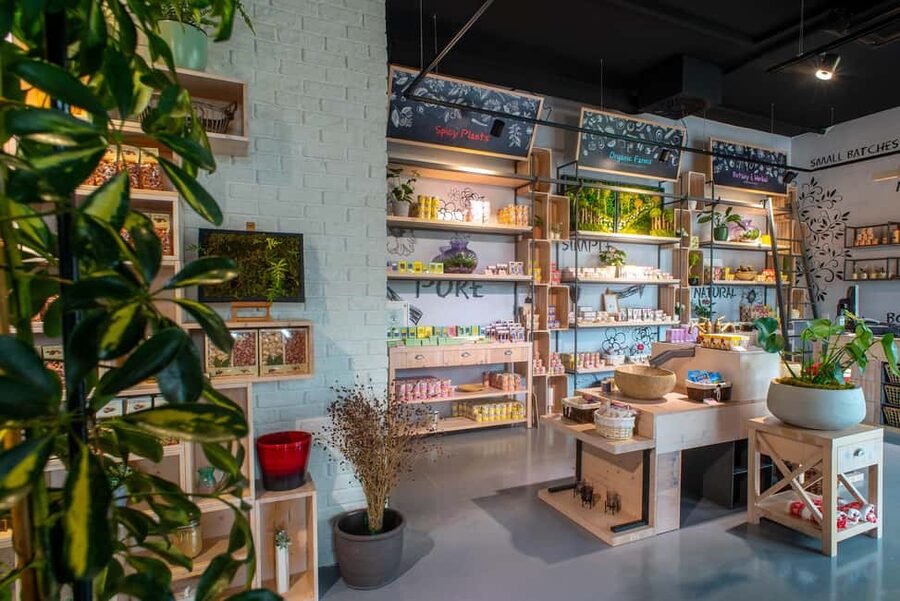
After the tastings and museum segments, you’ll head toward the concept store area where you can enjoy handmade products. The big practical plus here is that the prices are described as factory prices, which usually means you’re more likely to score fair value than at generic tourist gift shops.
What to consider when shopping:
- Olive oil quality you learned in the tasting: if you liked a specific sensory profile, look for oils that match that style
- Think about shelf life and intended use. If you cook heavily, you may choose differently than if you’re using oil for finishing dishes
- Traditional sweets and herb-based products can make good gifts, since they’re tied to the estate’s own production themes
If you don’t plan to buy, don’t worry. You’ll still get the experience value from the education and the tasting. But if you do want souvenirs, this is where your ticket can start paying off.
Time to wander the park or grab lunch
After the workshop, you’ll have free time to explore the park or take a traditional lunch. This is a nice buffer if you want the experience to feel less rushed.
Keep expectations realistic: this is not a large open-air attraction with olive groves visible from every angle. It’s an estate with gardens, buildings, and the museum setup. Still, people who enjoy slow wandering usually appreciate the time to look at the herb garden again with fresh understanding.
If you’re hungry, plan your lunch within that free window. The tour includes tastings, but extra food and drinks are not included, so you’ll want to budget if you eat beyond what’s provided.
Price and logistics: $18 that feels right for the workshop
At $18 per person, this tour hits a sweet spot: you’re paying for access to the estate and museum plus a guided explanation and a tasting workshop with two extra virgin oils. The included items matter because they turn the price into a bundle, not just an entrance ticket.
You get:
- Entry to Stella Croatica and the Olive Oil Museum
- Guided tour
- Tasting of two different olive oils
- Tasting of traditional sweets
- Testing natural cosmetics
That’s a lot of “included value” for the money. If your goal is simply to visit a museum display, you may find it better to compare it to other local attractions. But if your goal is to learn to judge olive oil quality, the tasting workshop makes the price feel justified.
Language is English, which helps for visitors who want clear explanations. The tour also has a clear rule set (no video recording, no outside food or drinks), so come prepared to focus.
Who should book, and who might want a second thought
This experience is a strong match if you:
- Want to learn how to recognize quality extra virgin olive oil, not just hear opinions
- Like hands-on food education where you taste and compare
- Enjoy botanical walks and want plant explanations tied to real uses
- Travel as a family, since the experience is explained clearly enough for a nine-year-old to find it interesting
It might be less ideal if you:
- Came specifically hoping to walk among olive trees or see fields directly at the site
- Prefer museums that feel lively and energetic all the way through the tour
- Are sensitive to guide energy. Some visitors felt parts of the museum tour could be dull, while others found the explanation very clear. The tasting side tends to perform better.
The good news is that even when people criticize the museum tone, the tasting workshop still lands as worthwhile because it’s interactive and practical.
Should you book the Split Olive Museum and tasting?
Book this if you want a compact, high-value workshop day that teaches you something you can use at home. The pairing of Stella Croatica, the Olive Oil Museum, and the interactive extra virgin tasting is the main reason this tour works.
Skip it only if your top priority is scenery like olive groves and you’re mainly looking for a big outdoor farm visit. Otherwise, for $18, you’re getting enough included learning and samples that the experience tends to feel fair, even for picky learners.
If you’re excited by tasting lessons, herb gardens, and learning what real extra virgin means, this is one of the more practical olive oil experiences around Split that’s easy to recommend.
FAQ
What does the tour include?
The experience includes entry ticket to Stella Croatica and the Olive Oil Museum, a guided tour, tasting of two different olive oils, tasting of traditional sweets, and testing natural cosmetics.
How much does it cost?
The price is listed as $18 per person.
What languages is the tour offered in?
The tour is offered in English.
Can I bring my own food or drinks?
No. Food and drinks are not allowed during the activity.
Are video recordings allowed?
No. Video recording is not allowed.
Is there time to eat or explore after the main experience?
Yes. After the workshop, you have free time to explore the park or have a traditional lunch.
Where do I meet the host?
You should follow the signs from the main road to reach Stella Croatica, enter the main building, and wait for your host to arrive. The activity ends back at the meeting point.
More Food & Drink in Split


Ancient Split, Underfoot

Recently added around Split
- Private VIP Brac and Hvar Day Trip from Split
★ 5.0 · 1 review - Private Transfer From or To the Split Airport
★ 5.0 · 1 review - Brač Half Day Beach Party Transfer to Olife Beach Club
★ 5.0 · 1 review - Private Transfer from Split to Zagreb, Hotel-to-hotel, English-speaking driver
★ 5.0 · 1 review - Airport transfers
★ 5.0 · 1 review - Private ”Game of Thrones” Walking Tour in Split (entrance tickets included)
★ 5.0 · 1 review
Klis Fortress Tours, compared.


Klis Fortress GOT and Olive Museum Entry Tickets
Read our review →
Green Line with Open Bus to Klis & Olive Museum
Read our review →
Olive museum Klis with educational olive oil tasting
Read our review →
Sunset Klis Fortress Tour From Split with Sightseeing bus
Read our review →
Browse the lists this tour appears in