
Reviewed · WALKING TOURS
Discover The Old Town Split 1.5h walking Small group tour
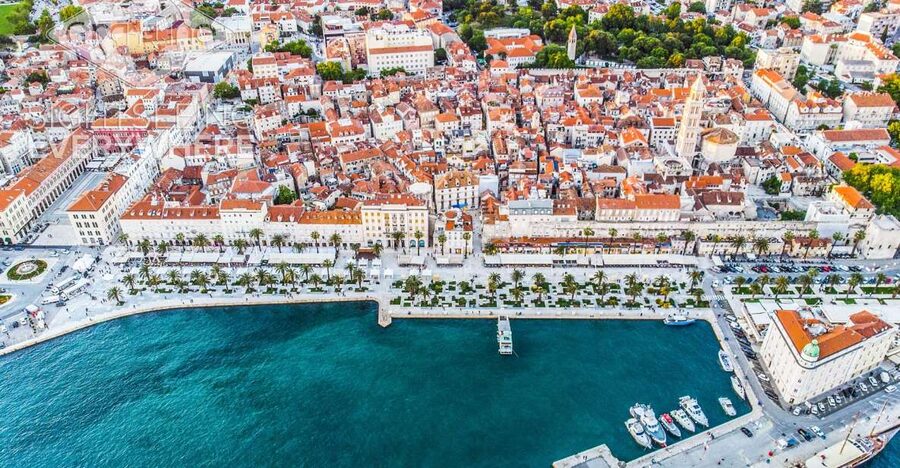
The best way to start Split is on foot. This 90-minute walk connects the Roman skeleton of the city to the medieval streets you actually want to wander, with a licensed local guide leading you through the UNESCO core. You’ll get the big story fast, then the small details that make the place feel real.
What I like most is how practical the route feels, starting right at Diocletian’s massive palace ruins and then moving to key sites like the Cathedral of St Doimus. Second, the guides can be genuinely funny and personable, not just reciting dates, and I’ve seen examples like Aneka, Anita, and Marko turning the city into a story you can follow.
One possible drawback: it’s a walking tour with no wheelchair access, and the pace can still feel like a steady city stroll, so comfortable shoes really matter, especially in warm weather.
In This Review
- Key moments that make this Old Town Split walk work
- From Roman fortress to living city, in 90 minutes
- Meeting on the Riva promenade, then getting oriented fast
- Diocletian’s Palace ruins: the harbor view that makes Split click
- Cellars and the peristyle courtyard: how stone tells daily life
- St Doimus Cathedral and Diocletian’s mausoleum story
- Navigating the Old Town lanes: cafés, souvenir streets, and medieval atmosphere
- Guide quality: why names like Aneka, Ina, and Toni matter
- Price and value: why $29 is a smart buy for Split’s core sites
- Practical tips: shoes, pace, and making the most of a city-walk format
- Who should book, and who should skip this one
- Should you book this Old Town Split walking tour?
- FAQ
- What is the duration of the Old Town Split walking tour?
- How much does the tour cost?
- Where do I meet the tour?
- Is the guide English-speaking?
- Are entrance fees included?
- What should I bring?
- Is the tour wheelchair accessible?
- Are pets allowed on the tour?
Key moments that make this Old Town Split walk work
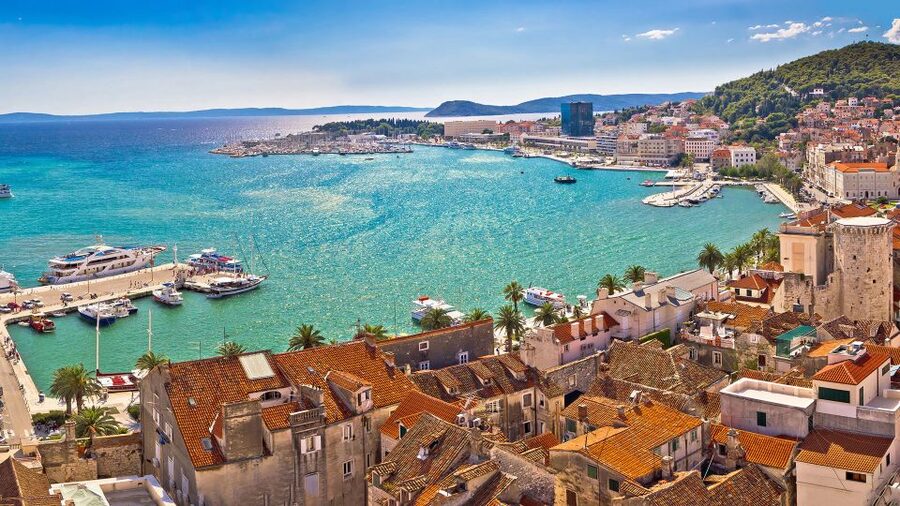
- Diocletian’s Palace at the harbor: the Roman starting point that makes everything else click
- Cellars and the peristyle courtyard: stone spaces that explain how the palace functioned
- Cathedral of St Doimus: where Diocletian’s mausoleum ties directly into today’s Split
- Narrow lanes and squares: you see the UNESCO streets you’ll later revisit on your own
- English licensed local guides: from Marko to Ina, the best tours blend history with local color
From Roman fortress to living city, in 90 minutes
Split is one of those places where the past is not behind glass. It’s in the walls, in the street plan, and in how people still use the spaces. This tour does something smart: it builds a clear line from the reign of Diocletian to the medieval and Mediterranean Split you’ll recognize right away.
You start near the harbor, where Diocletian’s palace dominates the view. From there, your guide threads you through the Old City streets that grew around Roman architecture instead of replacing it. That’s the key to making Split feel intuitive, not confusing. After 90 minutes, you’ll have names for what you’re seeing, and you’ll understand why the city center is UNESCO-listed.
And because it’s a small-group format, you’re more likely to get real back-and-forth. You can ask about what you’re standing next to, not just listen while you pass by. In the better runs, guides also adjust explanations to the group’s interests, which helps if you care more about archaeology than royal history, or more about daily life than dates.
The walking time is short enough to keep it low-stress. Still, it’s a true walking tour, so you should plan for cobblestones, tight corners, and pauses at stops rather than a sit-down museum experience.
Meeting on the Riva promenade, then getting oriented fast
The meeting point is on the Riva promenade, in front of the local supplier office at Obala Hrvatskog narodnog preporoda 21, 21000 Split. You’re looking for the supplier’s sign and staff in matching t-shirts. The setup is straightforward, but I recommend arriving about 15 minutes early so you can check in without rushing.
There are also two starting location options listed: ATM – Auro Domus, Visit Split-Grayline. Either way, the goal is the same. You’ll meet close to the area where the tour begins and then your guide takes over.
This matters more than it sounds. Split’s Old Town can feel like a maze at first. A good start gives you the mental map you need. Once you see Diocletian’s palace from the right angle and understand how the palace connects to later sites, you’ll move through the lanes with confidence.
If you’re the type who hates wandering in circles, this is a big plus. You don’t just get facts; you get bearings.
Plenty more to do around Split
Diocletian’s Palace ruins: the harbor view that makes Split click
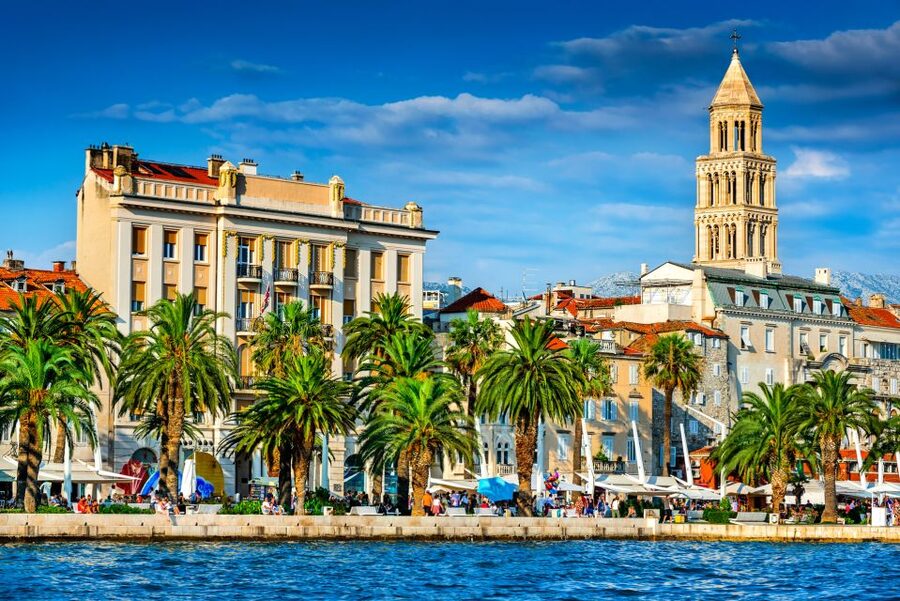
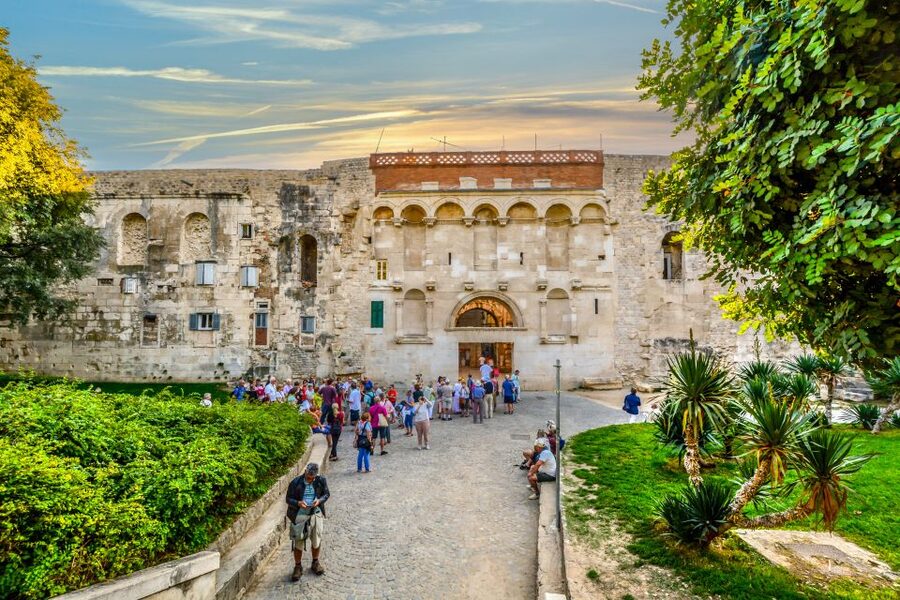
The tour begins at the Palace of the Roman Emperor Diocletian. From the harbor side, it’s one of the most imposing Roman ruins still in existence, and that first look is important. It’s hard to appreciate why Split’s center matters until you see the scale of the stone fortress in context.
Your guide helps you read the site. You’re not just looking at ruins as pretty rocks. You’ll learn what the palace was meant to do, how it functioned as a stronghold, and why its presence shaped the city around it.
Then you’ll move from the palace’s open harbor-facing frontage into the surrounding Old Town streets. This transition is where the tour becomes more than sightseeing. The guide points out features so you can connect the Roman foundation to the maze of later buildings, shops, and neighborhood streets that fill the same space today.
One practical note: entrance fees to monuments are optional. Your walk focuses on what you can see along the way, so you can choose to pay for specific interiors or skip them if you’re trying to keep costs down.
Cellars and the peristyle courtyard: how stone tells daily life
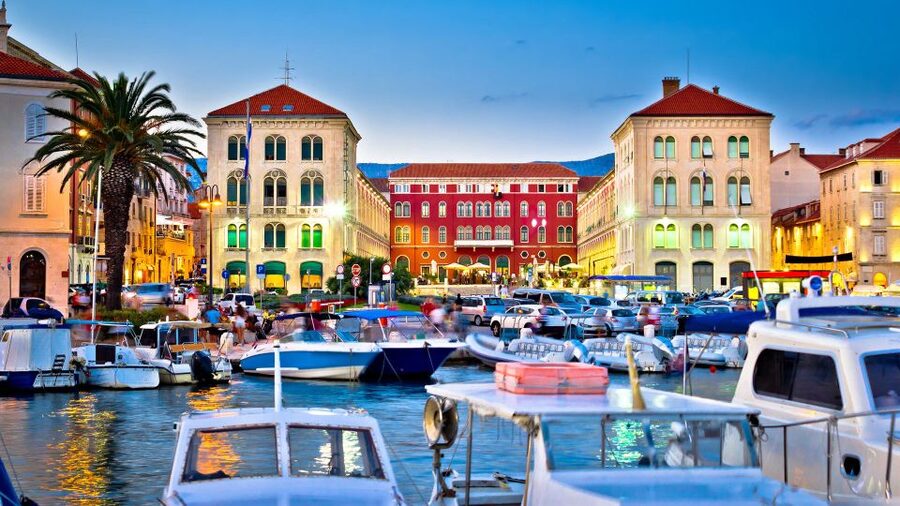
After the initial palace orientation, the tour continues through areas around the palace, where you’ll see things like the cellars and the peristyle courtyard. These stops are valuable because they explain how this wasn’t just an emperor’s “grand home” in a postcard sense. The architecture hints at organization, movement, and the realities of living inside a fortress.
Think of it like this: when your guide talks you through the palace layout, you start to understand why Split looks the way it does. Narrow lanes make more sense. Buildings tucked in close to Roman walls stop feeling random. Instead, you start seeing continuity, how older structures were reused, adapted, or simply remained the backbone of the city.
This part also tends to be where you get the most satisfying “aha” moments. The best guides, including those known for clear explanations like Anita and Marko, bring the spaces to life with local storytelling and humor. It’s not dry, and it’s not just lecture mode.
The biggest drawback here is physical. You’re on your feet, and these are real outdoor city spaces. If you’re expecting shaded, museum-like pacing, you might be surprised. Still, guides often manage the walk to keep things comfortable where possible.
St Doimus Cathedral and Diocletian’s mausoleum story
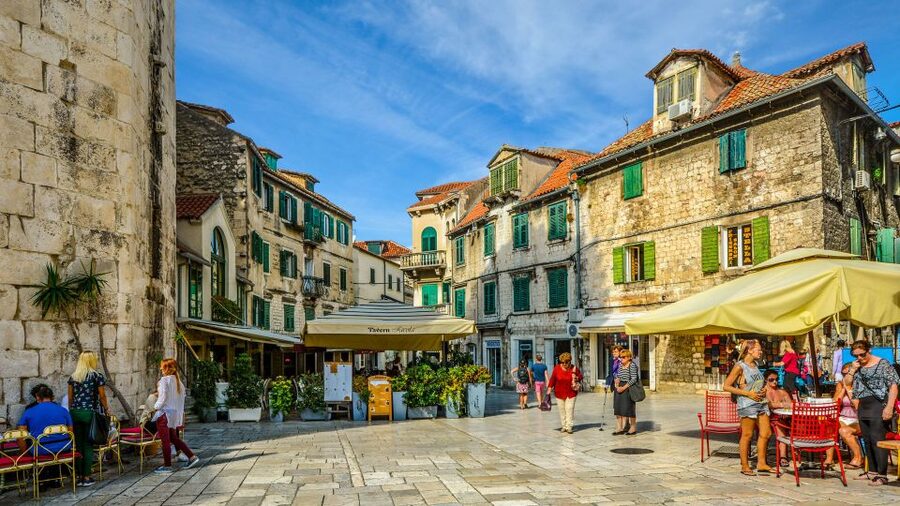
A major anchor point is the Cathedral of St Doimus, tied to the former Mausoleum of Diocletian. This is one of those stops that can change your understanding of the whole city.
The tour’s approach is smart: instead of treating Roman history as distant and ceremonial, it shows you how power and burial connect directly to the modern city landmark you can visit today. The cathedral area gives you an immediate sense of layering. Roman intent, later religious function, and ongoing everyday use all exist within walking distance.
Why this matters for your trip: if you only look at Diocletian’s palace as a ruin, you might miss the meaning of the site. When your guide explains the mausoleum connection, the architecture feels more purposeful. It stops being “cool old stones” and becomes a story you can follow.
You should also expect photos. This is one of the points where the buildings have strong lines and strong angles. If you like taking pictures, don’t worry. This stop is built for seeing and pausing, not rushing through.
Navigating the Old Town lanes: cafés, souvenir streets, and medieval atmosphere

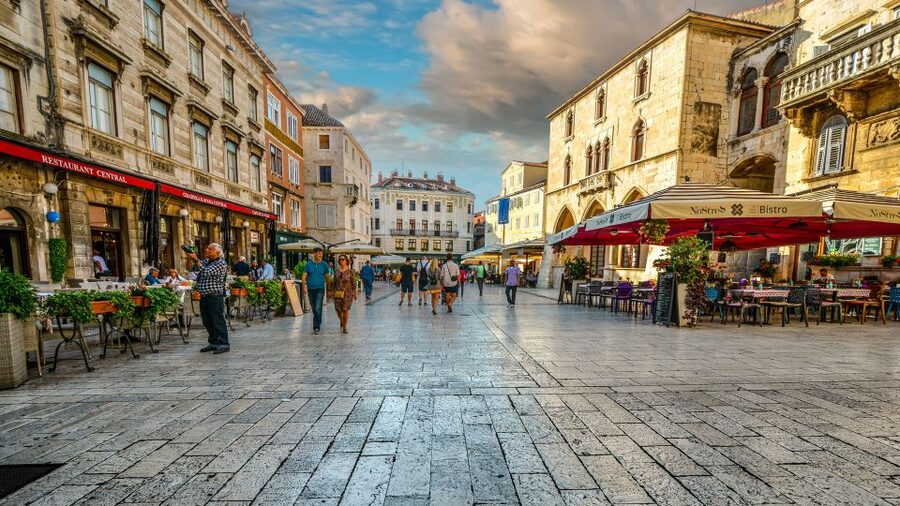
After the palace and cathedral anchor points, you’ll spend time in the narrow, picturesque streets around the palace and through parts of the Old City. This is where the tour turns from archaeological orientation into lived-in Split.
You’ll pass squares and streets lined with cafés and souvenir stores. Yes, it’s touristy, but that’s not automatically a bad thing. In Split, the tourist lanes are also the historical lanes. Walking them with context gives you a different experience than strolling without knowing what you’re looking at.
Guides often point out how the medieval city grew around the Roman core. That explanation makes the different architectural styles feel connected instead of confusing. You start noticing transitions: where the Roman wall or structure suggests a boundary, and where later buildings fill in the spaces with different rhythms.
If you want an easy afternoon plan afterward, this part is the reason to book. You’ll learn where you are and how to continue exploring once the guide leaves you. For instance, if you later want to find a café and sit with a drink while you picture what the stones looked like centuries ago, you’ll know where to go.
Two days in Split? Here's how to fill the second.
- Split: Krka Waterfalls Trip with Boat Cruise and Swimming★ 4.8 · 10,519 reviews
- From Split: Krka Waterfalls, Food & Wine Tasting Tour★ 5.0 · 9,326 reviews
- Blue cave, Mamma Mia and Hvar, 5 islands speedboat tour★ 5.0 · 7,150 reviews
- From Split: Krka Waterfalls, Food & Wine Tasting Tour★ 4.9 · 6,598 reviews
Guide quality: why names like Aneka, Ina, and Toni matter
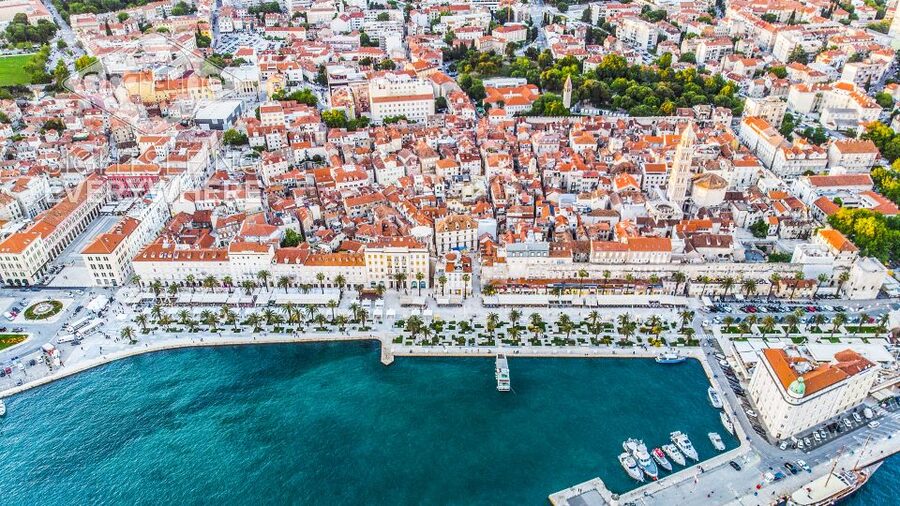
This tour’s reputation comes down to the guides. The information is good, but the delivery is what makes the city feel understandable.
In the best examples, guides show real local passion and humor. Aneka is praised for being knowledgeable and personable, with excellent communication and a sense of humor that keeps the walk light. Anita is noted for being highly knowledgeable and interesting, which helps if you want more than surface-level impressions. Marko and Toni are specifically highlighted for being funny, personable, and able to tailor remarks to what the group cares about.
Some guides also bring a deeper professional lens. Ina, for example, is described as an archaeologist, and that background can help if you like the “why” behind the structures, not just the “what.” Others, like Roko, mix history with local pop culture details, plus practical advice like a good restaurant recommendation for after the tour.
Even when tour timing stretches a bit, it’s usually because the guide has enough material and enough energy to keep the group engaged. One run extended past the standard 90 minutes because there was just too much to say.
Price and value: why $29 is a smart buy for Split’s core sites
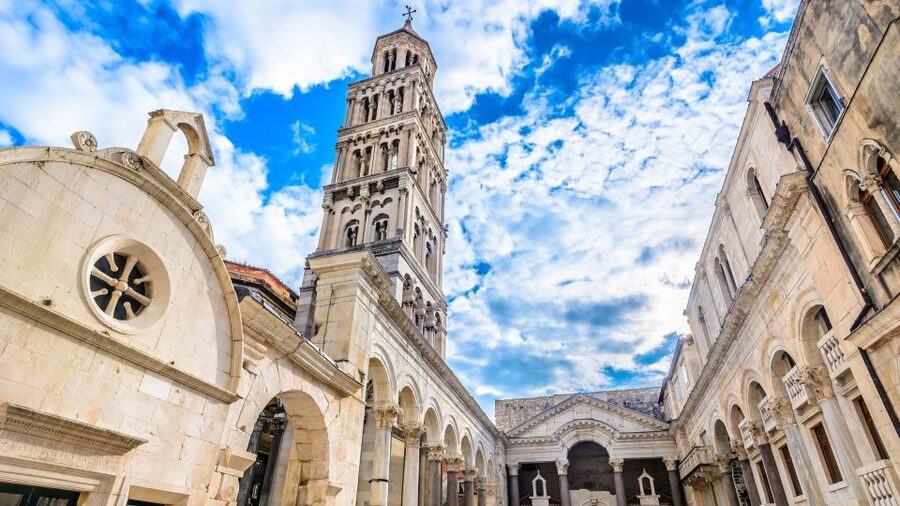
At about $29 per person for roughly 90 minutes, you’re paying for a guided route with a licensed local guide, focused on the UNESCO Old City core. The value isn’t just that you learn names of sites, it’s that you learn them in the right order, in the right place.
If you’re traveling in a time crunch, this is a strong deal. Split is full of sights, but most visitors waste time trying to piece together what connects to what. A guided walk reduces that friction.
Entrance fees are optional, meaning you’re not forced to pay for every stop to get the main experience. You can decide based on your interests and budget. If you’re the type who wants interiors, you might add on monument entry later. If you’re more of an outdoor architecture watcher, you can keep costs controlled.
Small-group format adds another layer of value. Reviews include examples like an intimate feel with just a few participants, and at other times a larger group. Either way, the walk remains structured, and the guide can still manage questions and pacing.
Practical tips: shoes, pace, and making the most of a city-walk format
Bring comfortable shoes. That’s not optional on cobblestone and tight streets. This is also not a wheelchair-accessible tour, so if mobility is an issue, plan a different approach.
Plan for warm weather if you travel in summer. One guide example even notes being mindful of heat and seeking shade when possible. You won’t always control the weather, but you can control your comfort level with what you wear and how you pace yourself.
Because the tour moves between Roman and medieval zones, the terrain is a mix of open sightlines and narrow passages. If you’re prone to getting tired on walking tours, take it slow at the start. After you get oriented around the palace, the rest feels easier because you’re no longer guessing.
Also think about what you want from the experience. If you love history facts, this tour delivers clear context. If you prefer a more human, local-feeling experience, the guides often add humor and practical perspective, including suggestions for how to enjoy Split afterward.
Who should book, and who should skip this one
This tour is a great fit if you want:
- A fast orientation to Split’s UNESCO Old City
- A clear connection between Diocletian’s Roman palace and later sites like the Cathedral of St Doimus
- A guided walk that keeps moving but still stops for understanding
It’s also ideal as a first or second day activity. Early on, it helps you find your bearings. Later, it gives you a framework to revisit the lanes with better focus.
You might skip it if:
- You need wheelchair access, since it’s not wheelchair accessible
- You’re looking for long museum time with lots of sit-down viewing, since this is a walking tour format
- You travel with pets, since pets are not allowed
For families, children must be accompanied by an adult. The tour is short, but it is still a city walk, so it works best when kids can handle outdoor pacing and curiosity.
Should you book this Old Town Split walking tour?
I think you should book it if you want Split to make sense quickly. For $29 and about 90 minutes, you get a guided route through the most important Roman-to-medieval core sites: Diocletian’s harbor-facing palace area, the spaces around it like cellars and a peristyle courtyard, and the Cathedral of St Doimus connection to the mausoleum.
The biggest reason to choose this tour is the way it helps you see the city’s layers as one story. That makes your time in Split feel more meaningful, and it makes self-guided wandering after the tour less confusing.
If you’re the type who enjoys good guides as much as sights, pay attention to the style. Names like Aneka, Anita, Marko, Ina, and Toni show up in strong feedback, and those are the kinds of guides who turn a short walk into an afternoon you remember for the right reasons.
If you’re ready for a structured, small-group Roman-to-medieval introduction to Split, this is a solid bet.
FAQ
What is the duration of the Old Town Split walking tour?
It lasts about 90 minutes, which matches the 1.5-hour walking time.
How much does the tour cost?
The price is listed as $29 per person.
Where do I meet the tour?
You meet at the local supplier’s office on the Riva promenade, Obala Hrvatskog narodnog preporoda 21, 21000 Split. You can also see starting location options listed as ATM – Auro Domus (Visit Split-Grayline).
Is the guide English-speaking?
Yes, the live tour guide offers English.
Are entrance fees included?
No. Entrance fees are not included, and monument entrance is optional.
What should I bring?
Wear comfortable shoes, since it is a walking tour.
Is the tour wheelchair accessible?
No, this tour is not wheelchair accessible.
Are pets allowed on the tour?
No, pets are not allowed.
Recently added around Split
- Private VIP Brac and Hvar Day Trip from Split
★ 5.0 · 1 review - Private Transfer From or To the Split Airport
★ 5.0 · 1 review - Brač Half Day Beach Party Transfer to Olife Beach Club
★ 5.0 · 1 review - Private Transfer from Split to Zagreb, Hotel-to-hotel, English-speaking driver
★ 5.0 · 1 review - Airport transfers
★ 5.0 · 1 review - Private ”Game of Thrones” Walking Tour in Split (entrance tickets included)
★ 5.0 · 1 review
Walking Tours, compared.
Walking Tour of Split and Diocletian’s Palace
Read our review →
Krka Waterfalls tour with Trogir Walking tour and Krka panoramic boat cruise
Read our review →

Walking Tour of Split with a ‘Magister’ of History
Read our review →
Split Walking Tour with Professor of History
Read our review →
Diocletian Palace & Old Town Guided Walking Tour
Read our review →
Browse the lists this tour appears in