
Reviewed · WALKING TOURS
Split: Food Tasting Walking Tour
Eat your way through 1,700-year-old Split. This Split food tasting walking tour links the Roman streets of Diocletian’s Palace with local markets, so you get flavor and context at the same time. I especially like the Soparnik stop for its UNESCO-protected story, and the way the route mixes sweet bites with savory seafood. One thing to plan for, it’s an active walk on old stone, and it’s not set up for wheelchair users.
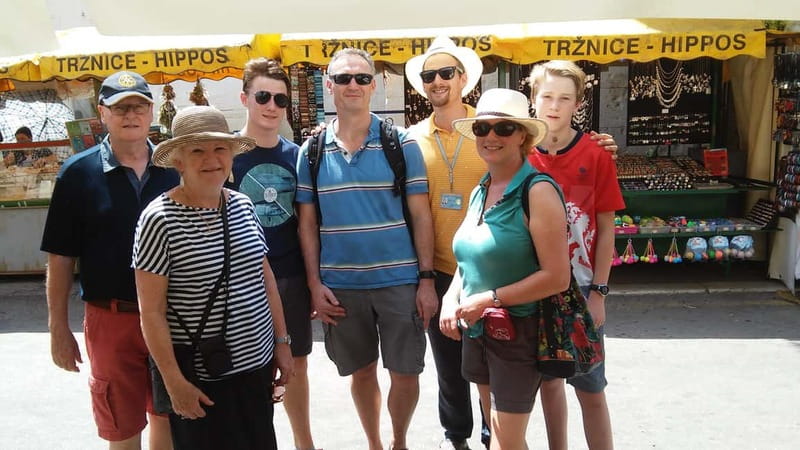
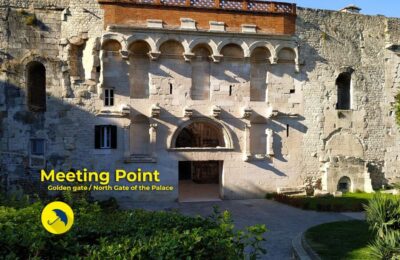
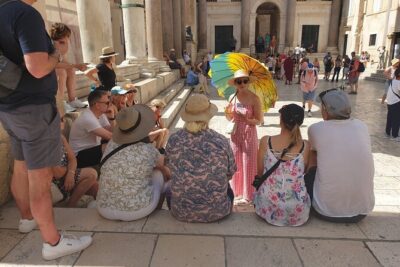
The tour starts at Golden/North Gate near the statue of Gregory of Nin, and you’ll spot the group by the blue umbrella. Recent guides include Marta, Slavko, Antonia, Jakov, and Ina, and the big theme is the same: friendly, clear explanations paired with practical food know-how.
A possible snag: the tour description includes a glass of local wine, but a couple of guests noted they did not get wine on their date. So if you are a wine drinker, I’d treat it as a bonus, not a guarantee.
In This Review
- Key things I’d focus on before you go
- Entering Diocletian’s Palace by eating your way in
- What you actually taste on this Split route
- Golden Gate start: where the tour begins and how to find it
- Green Market mornings: arancini and sugared nuts
- Soparnik with stories, plus wine as a possible bonus
- Prosciutto on medieval streets, not in a factory gift shop
- Chocolate shop stop and rafiol cake at a traditional bakery
- Peškarija fish market: salted anchovies and the marenda idea
- Local bars and restaurants: how the tastings stay varied
- Guide style in Split: Marta, Slavko, Antonia, Jakov, Ina
- 2 hours, small groups, and how to plan your day
- Price and value: is $64 worth it?
- Practical tips so you enjoy every stop
- Who this Split food tasting walking tour suits best
- Should you book this tour?
- FAQ
- Where does the tour meet?
- How long is the Split food tasting walking tour?
- How much does it cost?
- What is included in the price?
- Are there extra costs at the markets?
- Is the tour wheelchair accessible?
- Are kids allowed?
- What language is the tour offered in?
- What should I bring?
- Is cancellation free?
Key things I’d focus on before you go
- Diocletian’s Palace setting with food stops: you snack while walking through the old Roman bones of the city
- Soparnik with real local meaning: a protected dish, not just a random sample
- Green Market tastings that teach you what to buy: arancini, sugared almonds, and more
- Peškarija fish market and marenda brunch: salted anchovies and the culture around them
- Chocolate and cake stops with serious “wow” factor: including a Guinness-record chocolate bar
- Small-group feel and pacing: guests repeatedly mention no rushing and guides who answer questions
Entering Diocletian’s Palace by eating your way in
Split’s Diocletian’s Palace can feel like a maze until you give it a reason to move. This tour gives you that reason, it’s a food-first walk through the corridors, courtyards, and medieval streets built on Roman foundations. You get the history, but you also get the point of it: why people ate what they ate, here, on this coast.
Two things make this format work. First, the tastings keep you engaged while you learn the city layout. Second, it’s not just “try a thing,” the guide connects each bite to local habits and cooking traditions.
The big consideration is physical. You’ll be walking for the full 2 hours, and the tour is not wheelchair accessible. Comfortable shoes matter more than you think, especially with sun and cobblestones.
What you actually taste on this Split route
This tour is built like a guided sampler. You stop often, you taste small portions at local places, and you learn what each dish is and how it fits into Dalmatian life. It’s the kind of experience that helps you eat like a local the rest of your trip, not just once.
Expect tastings tied to specific market and shop stops, not a generic buffet of bites. The lineup includes things like arancini, sugared almonds, Soparnik with a glass of local wine as described, traditionally made prosciutto, chocolate tastings, and rafiol cake.
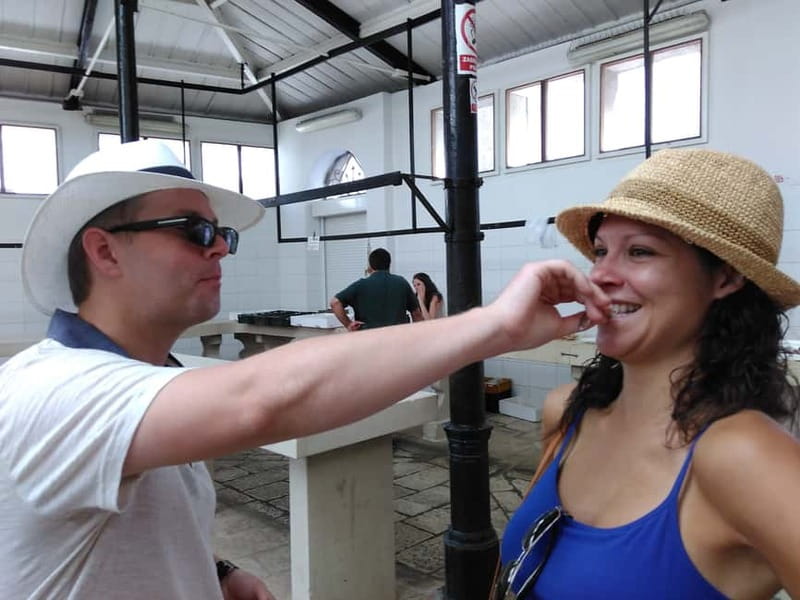
You also hit Split’s food heartbeat at Peškarija, the fish market. That’s where salted anchovies and the idea of marenda, a Dalmatian brunch, come into play.
Second helpings of Dalmatian cooking
Golden Gate start: where the tour begins and how to find it
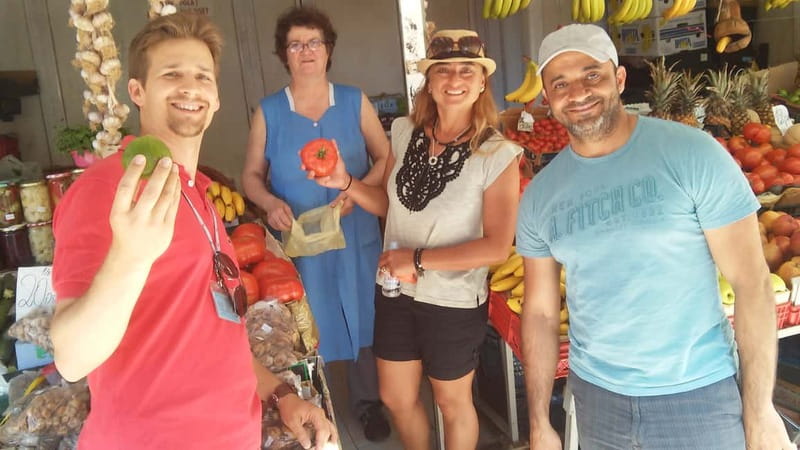
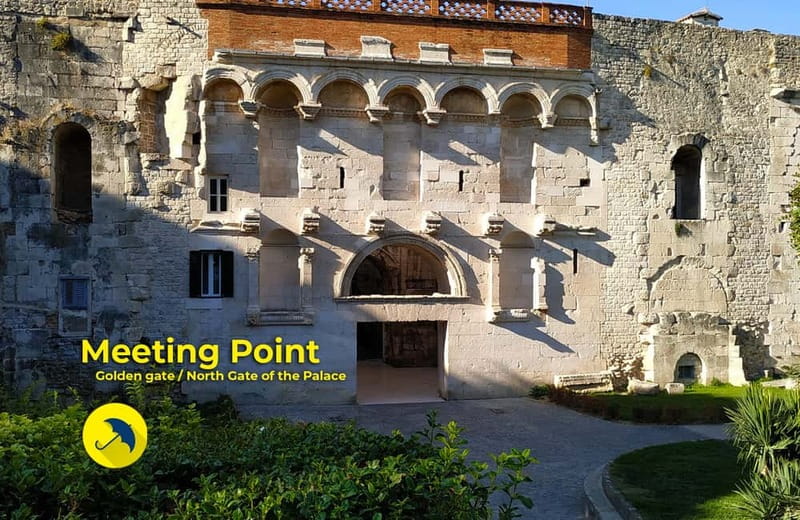
You’ll meet at Golden/North Gate near the statue of Gregory of Nin. Look for the blue umbrella, it makes the start easy even if you are still orienting yourself.
This matters because Split’s Old Town can throw you off. Starting at a clear landmark helps you arrive on time and lets you relax instead of sprinting to keep up.
Bring the right basics. Comfortable shoes, sunglasses, and a sun hat are part of the practical checklist for a reason. Even in mild weather, you can feel the sun in these narrow streets.
Green Market mornings: arancini and sugared nuts
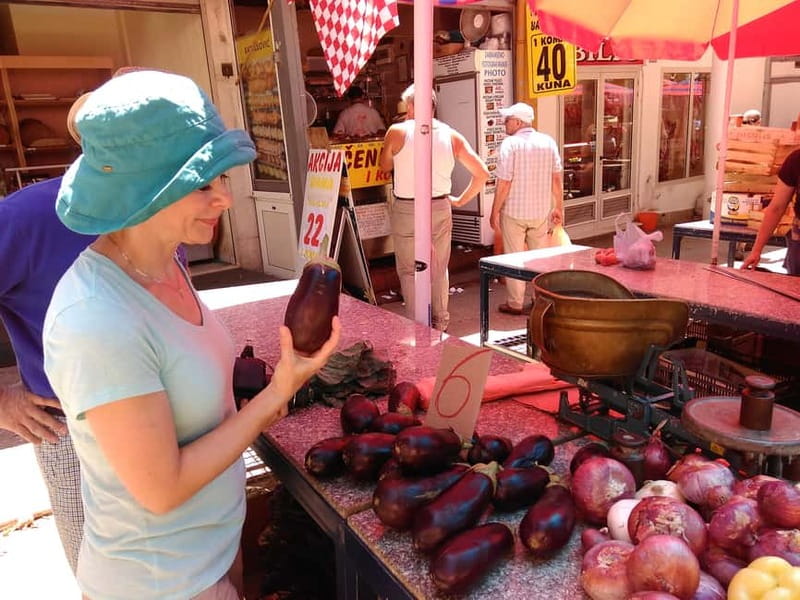
Most food tours start with something simple. This one starts with a stop that sets the tone, the Pazar, also called the Green Market area.
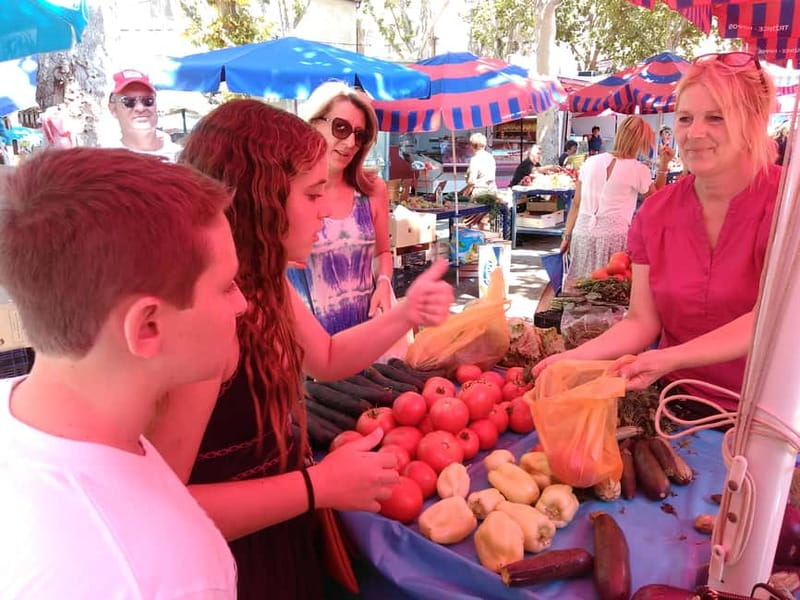
You begin with tastings like local arancini. You also try almonds in sugar, a classic sweet starter that makes you want to keep walking and keep snacking. It’s a smart move for the first 15 minutes because it wakes up your appetite without tiring your stomach.
What I like here is that you’re not just eating, you’re being shown what locals treat as everyday comfort. Once you understand that, the rest of the tour makes more sense. You start noticing ingredients, shapes, and what looks fresh.
Soparnik with stories, plus wine as a possible bonus
Then comes Soparnik, described as a unique dish protected by UNESCO. The guide pairs the tasting with local stories while you continue through the older parts of Split.
Soparnik is a great example of why this tour is worth doing beyond food. It teaches you that Dalmatian cuisine is shaped by place and season, not by tourism trends. And it makes the Roman-era setting feel less like a museum and more like a working food city.
About the wine: the tour info mentions a glass of local wine with Soparnik. Some guests later noted they did not receive it on their date, so treat it as a bonus if you get it. If wine is a must, ask when you meet or keep expectations flexible.
Prosciutto on medieval streets, not in a factory gift shop
Between the markets and the chocolate stop, you get a tasting of traditionally made prosciutto. This is one of the stops that fits the “food first” theme, because it shows you the handwork side of what you’d otherwise assume is mass-produced.
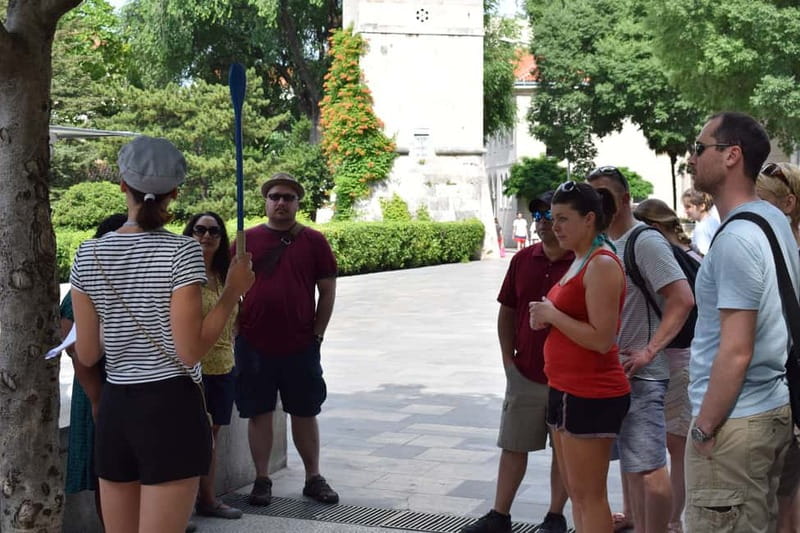
The tour keeps you moving through medieval streets while the guide explains context. That pairing is why this works. You don’t just taste meat, you learn how it shows up in day-to-day life.
If you love charcuterie, you’ll probably find yourself thinking about salt, curing time, and texture long after the walk ends. That’s the real value, taste plus meaning.
Plenty more to do around Split
- Krka National Park Tour with tour Guide & Wine tasting from Split & Trogir★ 5.0 · 1,625 reviews
- Split/Trogir: Krka National Park Day Trip with Wine Tasting★ 4.7 · 925 reviews
- Split: Blue Lagoon, Nečujam & Maslinica with Food & Drinks★ 4.5 · 698 reviews
- Full-Day Catamaran Cruise to Hvar & Pakleni Islands with Food and free Drinks★ 5.0 · 670 reviews
Chocolate shop stop and rafiol cake at a traditional bakery
Sweet lovers, pay attention. One major highlight is the chocolate store visit that includes a Guinness record for the largest chocolate bar in the world. It’s not just for photos, the tasting is part of why you stop.
After that, you head to an old bakery to try rafiol cake. Rafiol is a pastry that feels very local, and it’s the kind of dessert you’re unlikely to stumble upon on your own unless you already know what to look for.
The best part of these sweet stops is timing. They come after savory tastings, so the flavors hit in the right order. You get that satisfaction of finishing a walk with something truly special, not just a sugar afterthought.
Peškarija fish market: salted anchovies and the marenda idea
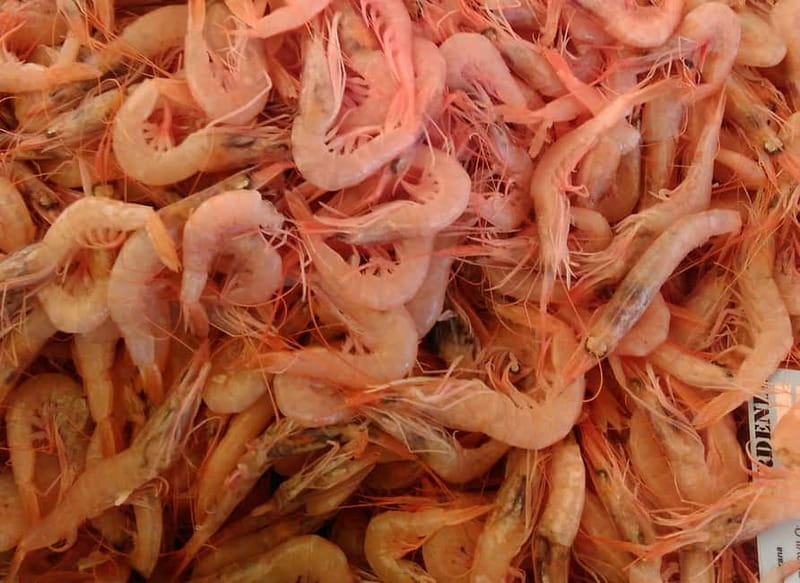
If Split has a food ritual, this is close to it. The tour takes you to Peškarija, Split’s fish market. It’s described as the second oldest in Europe, with original benches more than 120 years old.
You don’t just look around. You’re taught how to eat salted anchovies, and the guide connects it to marenda, a Dalmatian brunch tradition. That part is gold if you want to understand the rhythm of meals on the coast, not just the menu.
Why I think this stop matters: fish markets can be chaotic if you walk in cold. With guidance, you know what you’re seeing, what’s typical, and what combinations make sense. You also leave with a practical reference point for ordering later.
There’s also a good chance you’ll want to revisit the market after the tour. More than one guest said they returned to purchase items at the places they sampled, and I get why. Once you taste the real deal, shopping gets easier.
Local bars and restaurants: how the tastings stay varied
After the markets and the big standout food stops, the tour finishes with additional tastings at a local bar and local restaurant. These stops are short, about 15 minutes each, but they keep the variety going.
This is where the tour earns trust. If it were just one market plus a sweet shop, you’d get a skewed view of Split. Instead, you taste across different styles of food service, from market bites to more composed restaurant tastes.
The guide’s job here is pacing and selection. Guests frequently mention the food choices are well planned and that the tour does not feel like a rushed checklist. That’s exactly what you want on a 2-hour timeline.
Guide style in Split: Marta, Slavko, Antonia, Jakov, Ina
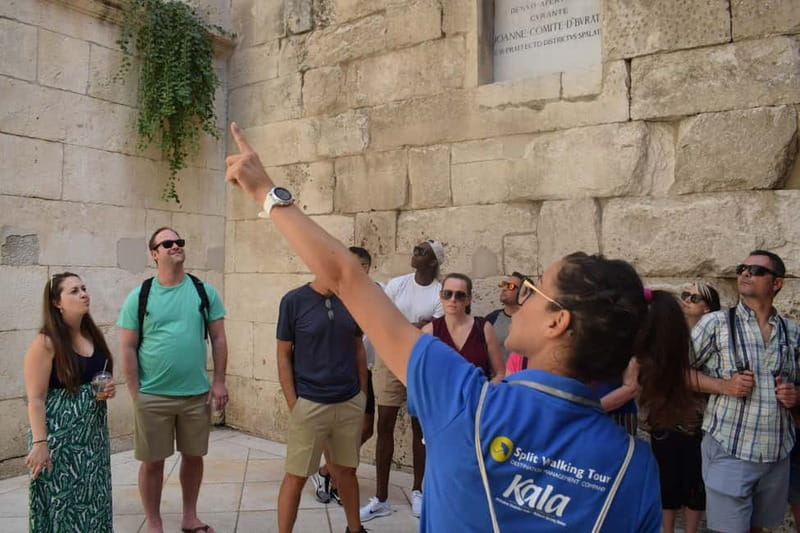
A food tour lives or dies by the guide. In the recent experiences tied to this tour, names like Marta, Slavko, Antonia, Jakov, and Ina come up again and again. What guests praise is the same: friendly energy, clear explanations, and storytelling that feels connected to real daily life.
I also like that multiple guests mentioned guides who adapt to group needs and take questions without making it feel awkward. That matters if you have dietary limits or you just want more detail on a dish.
And yes, the humor shows up. A few guests noted the guides were funny and personable, which helps when you’re doing a lot of tasting in a short window. Food on a schedule can be a little intense, but good guides keep it light.
2 hours, small groups, and how to plan your day
The tour runs for 2 hours, with lots of stops packed in. That’s why it works as a “first-timer” activity for Split. It helps you learn the city while also giving you food cues for the rest of your trip.
Many guests mention small groups, and it shows in how the experience feels. You can hear the guide, you can ask questions, and you don’t get lost in a crowd. Private or small group options are available, which is a good fit if you want a quieter experience.
One planning tip: don’t schedule a heavy meal right before the tour. Even though portions are small, you are sampling repeatedly. If you eat a big lunch first, you might miss the best part, the moment when flavors start to stack.
Price and value: is $64 worth it?
At $64 per person for 2 hours, this is not a “cheap snack” tour, but it also isn’t a sit-down dinner price. The value comes from three things you actually get.
First, you get a guide included. In a city like Split, a guide helps you understand what you’re looking at in the Diocletian Palace area, and that reduces the guesswork.
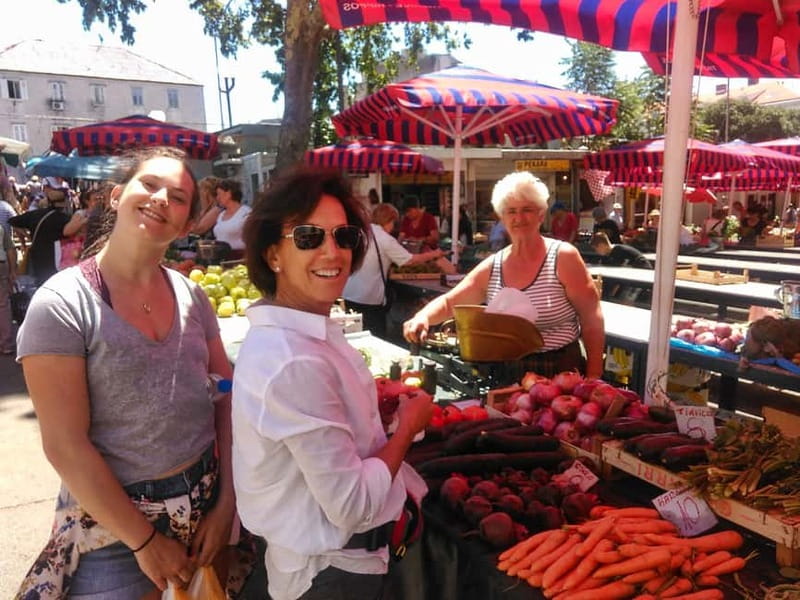
Second, you get multiple tastings across major food nodes: Green Market, fish market, bakery, chocolate shop, and additional local stops. The number and variety of tastings is what makes the money feel reasonable.
Third, you leave with traditional recipes included. Even if you only cook one thing later, it’s a nice souvenir that doesn’t take up fridge space forever.
Extra expenses at the markets are optional. You might buy more items if something really hits, like anchovies or market sweets. If you want that, budget a little extra. If you don’t, you can stick to the included tastings.
Practical tips so you enjoy every stop
Here’s how to get the most out of the walking and tasting mix.
Wear comfortable shoes you trust. Old stone can be rough, and you’ll be on your feet for the full tour.
Bring sunglasses and a sun hat. Many of the streets feel open to sun, and you’ll be walking between stops.
If you have questions about what you’re eating, ask them while you’re standing there. The guide can explain ingredients and techniques while it still feels fresh.
And if wine matters to you, remember the tour info includes a glass with Soparnik, but some guests reported missing wine on their date. That doesn’t mean it will always happen, it just means you should not plan your whole evening around it.
Who this Split food tasting walking tour suits best
This tour is a strong match if you want to combine sightseeing with a real food education. You’ll enjoy it most if you like markets, savory snacks, and learning what dishes mean locally.
I also think it’s ideal early in your trip. One of the best benefits of this kind of route is that it gives you recommendations you can act on later, from where to buy and what to order. Several guests specifically said they wished they had done it at the start so they had more time to return.
It might feel less ideal if you hate walking or want a fully comfortable ride. The tour is not wheelchair accessible, and it’s aimed at people who can handle steady strolling.
Should you book this tour?
I’d book it if you want an efficient way to understand Split through food. You get a lot of tastings in 2 hours, the setting is extraordinary because Diocletian’s Palace is the backdrop, and the guides are repeatedly praised for warmth and clarity, with names like Marta, Slavko, Antonia, Jakov, and Ina showing up across recent groups.
Skip it or rethink it only if walking is a problem for you, or if you need fully guaranteed wine service. Otherwise, $64 buys more than samples. It buys context, directions for what to eat next, and enough local flavor to make your first days in Split feel like a plan, not a guess.
FAQ
Where does the tour meet?
The meeting point is Golden/North Gate, near the statue of Gregory of Nin. Look for the blue umbrella.
How long is the Split food tasting walking tour?
The duration is 2 hours.
How much does it cost?
The price is $64 per person.
What is included in the price?
Included items are the guide, food tastings, and traditional recipes.
Are there extra costs at the markets?
Extra expenses at the markets are not included, though any spending there is optional.
Is the tour wheelchair accessible?
No, the tour is not accessible for wheelchair users.
Are kids allowed?
Children must be accompanied by an adult, and unaccompanied minors are not allowed.
What language is the tour offered in?
The live guide is in English.
What should I bring?
Wear comfortable shoes, and bring sunglasses and a sun hat.
Is cancellation free?
You can cancel up to 24 hours in advance for a full refund.
More Walking Tours in Split

Recently added around Split
- Private VIP Brac and Hvar Day Trip from Split
★ 5.0 · 1 review - Private Transfer From or To the Split Airport
★ 5.0 · 1 review - Private Transfer from Split to Zagreb, Hotel-to-hotel, English-speaking driver
★ 5.0 · 1 review - Brač Half Day Beach Party Transfer to Olife Beach Club
★ 5.0 · 1 review - Airport transfers
★ 5.0 · 1 review - Private ”Game of Thrones” Walking Tour in Split (entrance tickets included)
★ 5.0 · 1 review
Walking Tours, compared.
Walking Tour of Split and Diocletian’s Palace
Read our review →
Krka Waterfalls tour with Trogir Walking tour and Krka panoramic boat cruise
Read our review →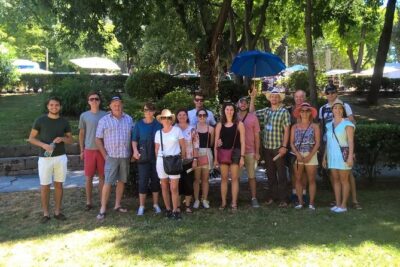
Walking Tour of Split with a ‘Magister’ of History
Read our review →
Split Walking Tour with Professor of History
Read our review →
Diocletian Palace & Old Town Guided Walking Tour
Read our review →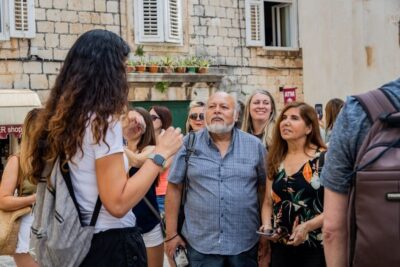
Browse the lists this tour appears in