
Reviewed · WALKING TOURS
Walking tour of Split with an Art Historian
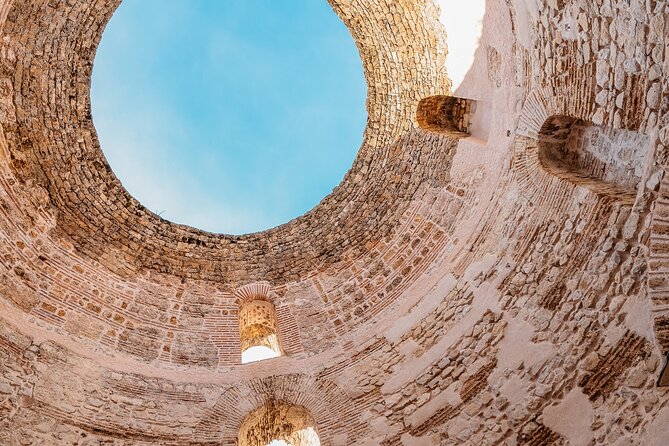
Split snaps into focus once you walk it. This 1.5 to 2 hour tour uses art, architecture, and the odd details of daily life to explain how Diocletian’s Palace became today’s Old Town, with Josipa guiding you step by step through the key Roman and medieval layers. You start by the central fountain in Strossmayer Park, then move into the palace core, where history feels physical, not postcard-deep.
I especially love two things: the stops that mix big monuments with small, human moments, like the Gregory of Nin statue toe-rub tradition and the famously tiny Let Me Pass street. I also like the pacing in a small group, capped at 10 people, which makes it easier to hear the stories and ask questions without feeling shuffled.
The main consideration is practical, not dramatic: the route includes several unavoidable steps and some uneven stone, so plan for comfort and bring water in hot weather. It also runs rain or shine, so pack a light layer if weather flips.
In This Review
- Key things you’ll notice on this Split walk
- Starting at Strossmayer Park (Đardin) and why water matters
- Tower 2, the Golden Gate, and learning the Roman logic under your feet
- Gregory of Nin to the Peristyle: from folklore and bronze to imperial space
- Gates, the Cathedral of Saint Domnius (from the outside), and the limits of what you enter
- Let Me Pass and Vestibulum: tiny spaces, big stories, and good photo acoustics
- Through the palace substructures shortcut to Riva Harbor
- Ending at the Old Town model: your map in miniature
- Price and value: what $30.23 buys you in real time
- Timing, pacing, and who this tour fits best
- Practical tips before you go
- Should you book this Split art historian walking tour?
- FAQ
- How long is the walking tour of Split?
- Is the tour only outside, or does it include paid museum or site entry?
- What language is the tour offered in?
- Where do you meet and where does the tour end?
- Does the tour run in bad weather?
- Is it suitable for people who have trouble walking or need step-free routes?
Key things you’ll notice on this Split walk
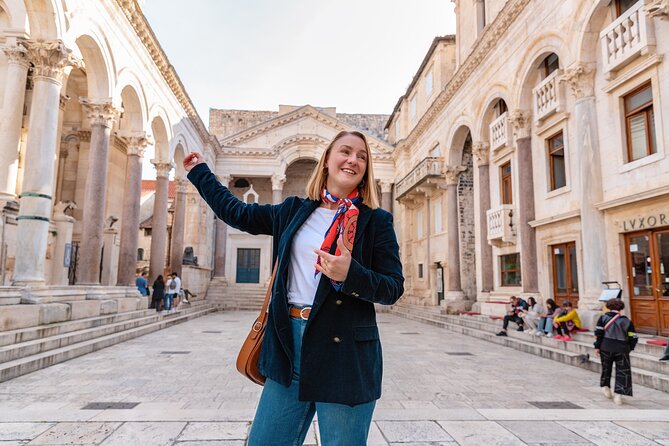
- Small group, easier listening: Maximum of 10 travelers, so the guide can answer questions and keep a good pace.
- Diocletian’s Palace, explained in the right order: From gates and main Roman streets to the spaces people actually used.
- Folklore tied to art and architecture: The Gregory of Nin toe-rub, plus the meanings behind smaller, memorable spots.
- Photo stops that make sense: The Vestibulum area and tight viewpoints are built into the route, not tacked on.
- No paid-site pressure: The tour avoids museums and paid entry sites, so you can save energy and money for your own choices later.
Starting at Strossmayer Park (Đardin) and why water matters
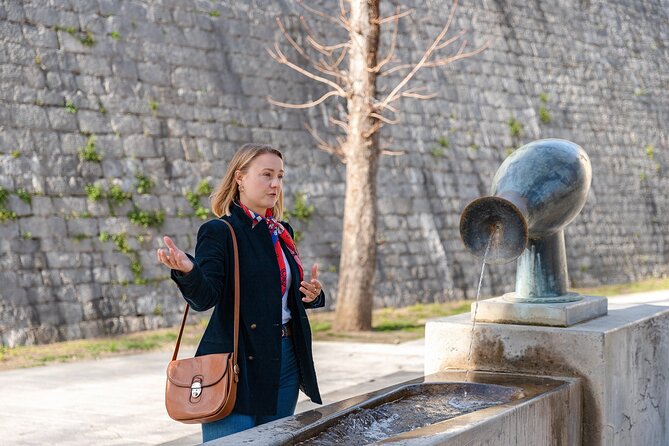
You meet in the midst of Strossmayer Park, locally known as Đardin, right by the central fountain. The tour begins with water, and that’s a smart move, because in Split, the palace was not just built as a monument, it was built as a functioning home that relied on systems that still affect how you understand the peninsula today.
Even the first stop is brief, because the bigger goal is momentum. You get a clear setup for what you’re about to see next: the Roman palace complex shaped by practical needs like water access, movement, and defense.
Tower 2, the Golden Gate, and learning the Roman logic under your feet
The first real “wow” is saved for later, but the tour starts with Tower 2 of Diocletian’s palace for a reason. It is a less glamorous look at first, and that helps you understand what makes Split unique worldwide, because you see how a fortress home worked, not just how it looks.
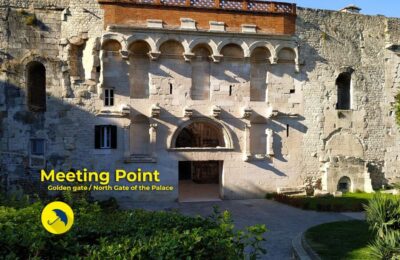
Then you hit the Golden Gate, the northern entrance to the Emperor’s palace. The guide connects this gate to the broader Roman idea of entry points and movement through the complex. From there, you walk along Cardo, the main Roman street stretching north to south, so you start “reading” Split like a city built on an internal grid rather than a pile of old stones.
Right after entering through the Golden Gate, you continue along Cardo Maximus, the main Roman spine. This is one of the most valuable parts of the tour, because it changes your eyes: you stop seeing the palace as isolated buildings and start recognizing a designed layout.
Plenty more to do around Split
Gregory of Nin to the Peristyle: from folklore and bronze to imperial space
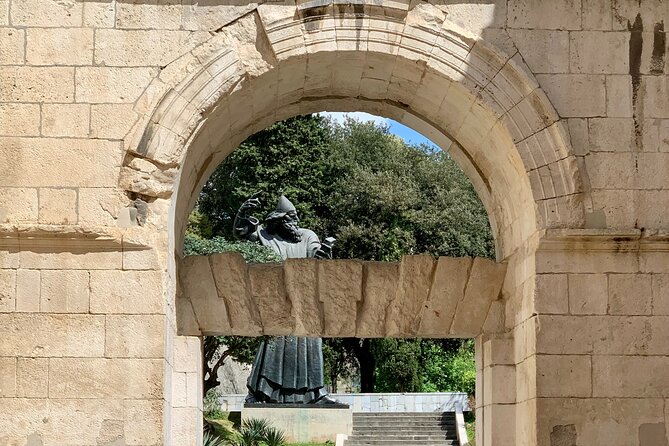
Before stepping fully into the palace, you pause at the 7-meter bronze statue of Grgur Ninski (Gregory of Nin). It is a famous image in Split culture, and the guide explains it through art history and local tradition. Yes, you can rub the toe for good luck, but the real point is understanding why that gesture stuck and how public monuments become part of everyday memory.
Next comes the Peristyle of Diocletian’s Palace, approached along the Decumanus. This is where the grandeur hits, and you get the origin and history behind the space, including the logic of how the palace shifted over centuries. For many people, this is the moment when the palace stops feeling like a Roman artifact and starts feeling like the center of life.
On the way, you also reach a standout palace attraction that Robert Adam in the 18th century praised as one of the most beautiful European monuments. The guide places this compliment in context so you understand what people admire, not just that someone once admired it.
Gates, the Cathedral of Saint Domnius (from the outside), and the limits of what you enter
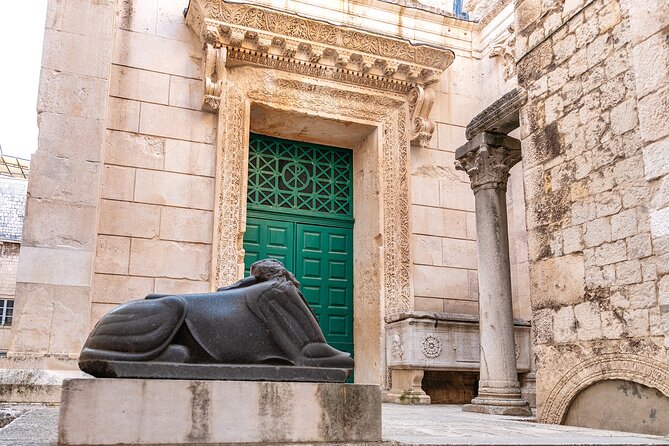
The tour moves to the Eastern (Silver) Gate for a short but meaningful detour toward the east. These gates are tiny storytelling machines, because every turn helps you see how the palace controlled access and guided movement, even in corners most visitors ignore.
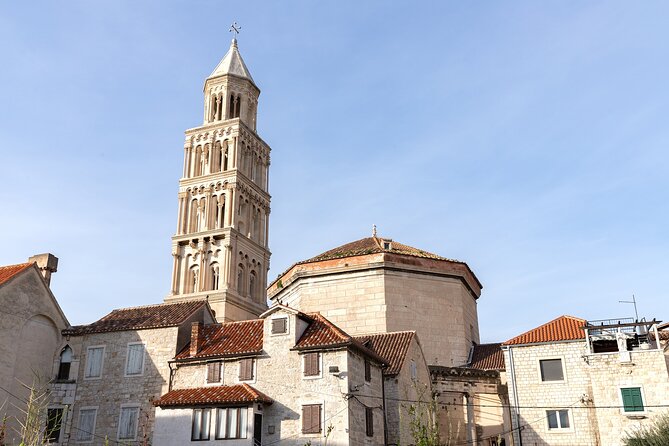
Then you reach the Cathedral of Saint Domnius area on the Peristyle. This is a big deal in the story of Split because it began as a Roman mausoleum for the Emperor and later became a Christian cathedral. One important catch: you do not enter the cathedral on this tour, since it is a paid site and the tour does not include paid entries.
That limitation is actually a plus for the tour’s value. You get the context and the main idea, without making your afternoon depend on tickets and extra time inside.
Let Me Pass and Vestibulum: tiny spaces, big stories, and good photo acoustics
From the cathedral area, the route takes you into a section where detail matters. You pass the Iron Gate, which the guide explains as the city’s platinum gate throughout its history. Even if you never memorize the exact timeline, you will remember the concept: different gates earned different reputations because of their role and status.
Then comes the small-world surprise: Let Me Pass (Pusti me da prodjem) Street. This is less than 10 meters long and only 57 centimeters wide, yet it is celebrated with local pride, including a public monument tied to city memories in another location. It is the kind of stop that makes you laugh a little, then think, because cities keep quirks alive even when centuries pass.
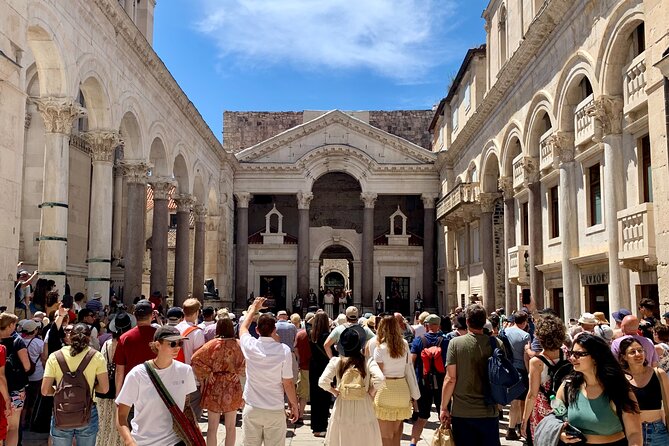
Just after, you reach the Vestibulum of Diocletian’s Palace. It is one of the most popular open-air photo spots, and the tour builds in a pause to take pictures and enjoy the view. The guide may also mention klapa singing, often performed in this acoustically rich space, so even if you do not hear a performance, you understand why the spot invites sound and gathering.
Through the palace substructures shortcut to Riva Harbor
After the palace core, you take a shortcut through the northern-western corner toward the Riva waterfront. The tour calls this route the path through Diocletian Palace substructures, and it is one of those transitions that makes Split feel layered.
The atmosphere changes, from the brighter Peristyle area to quieter, darker substructures, before you re-emerge into daylight and the energy of Riva. The catch is timing and access: you do not explore the substructures in their entirety, because additional admission and time would be needed. If you want more, the guide can point you toward a separate guided visit rather than forcing extra tickets into this walk.
Once you hit Riva Harbor, you shift from palace geometry to everyday city flow. Riva works as a street, a promenade, and a square, and you get a leisurely stroll along a portion of it toward Fruit Square. This is a smart finish because it helps you connect what you saw inside the palace to the waterfront life outside it.
Two days in Split? Here's how to fill the second.
- Split: Krka Waterfalls Trip with Boat Cruise and Swimming★ 4.8 · 10,519 reviews
- From Split: Krka Waterfalls, Food & Wine Tasting Tour★ 5.0 · 9,326 reviews
- Blue cave, Mamma Mia and Hvar, 5 islands speedboat tour★ 5.0 · 7,150 reviews
- From Split: Krka Waterfalls, Food & Wine Tasting Tour★ 4.9 · 6,598 reviews
Ending at the Old Town model: your map in miniature
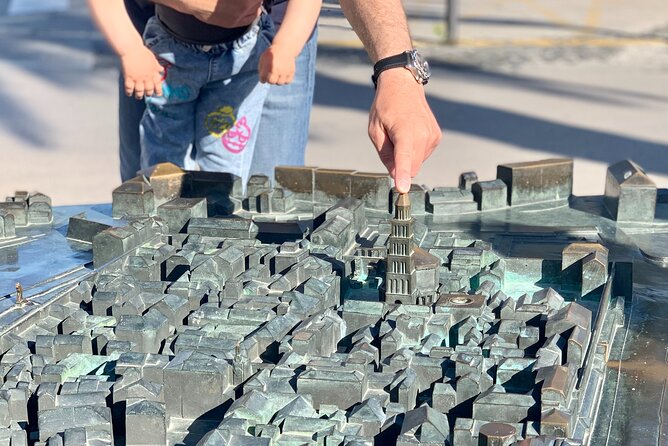
The final stretch pauses at Maketa Grada Splita, a large model of Split’s Old Town. This is not just a photo stop, it is a planning tool. After walking the palace and its edges, the model helps your brain stitch the geography together so you can return later without getting lost.
This is likely the last stop because the palace is extensive, but if time allows, the guide shares tips for what to do next. That “what to do after” mindset is what turns a palace visit into a full Split plan.
Price and value: what $30.23 buys you in real time
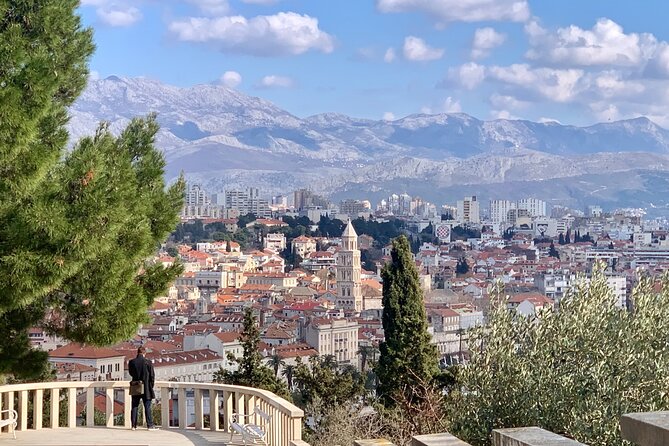
At about $30.23 per person for roughly 1 hour 40 minutes to 2 hours, this tour sits in the sweet spot for a guided Old Town experience. You are not paying for museum-style ticketing. The structure is built around outside viewing, interpretation, and short pauses that keep the stories moving.
You also get a few practical value boosts: a mobile ticket, group discounts, and a small group size that helps you actually hear the guide. And because the tour does not include paid sites or museum entry, you avoid the common “do we buy tickets or not” scramble mid-walk.
One thing to watch is what is explicitly not included. The cathedral interior is not included, and the substructures are only partially explored. If you know you want those interiors or a deeper archaeology session, budget separately, or ask the guide how to add it later.
Timing, pacing, and who this tour fits best
Most of the walk is flat and easy, with slightly uneven areas in some spots, so it works well if you walk confidently. That said, the tour does include unavoidable steps, and hot weather is a real factor, so bring sun protection and water.
Rain or shine is part of the deal. If skies turn, you will still be walking, so a light rain layer and shoes with grip are worth it. The tour also waits for up to 10 minutes beyond the scheduled start time, which helps reduce stress if you’re running a bit late.
This tour is ideal for:
- First-time visitors who want Diocletian’s Palace explained in a way that makes you feel oriented fast
- Art and architecture lovers who enjoy stories tied to specific objects, like Ivan Meštrović’s Gregory of Nin statue
- People who want a calmer alternative to the biggest, loudest groups, because the cap at 10 helps keep the experience conversational
It may be less ideal if you have limited mobility, since steps and uneven stone are unavoidable. In that case, you’ll want to consider your comfort and safety before booking.
Practical tips before you go
Start with the obvious: wear comfortable walking shoes. Even with mostly flat routes, the old city has uneven sections, and your feet will thank you for traction.
Bring a water bottle and sun protection. The route is outdoors for long stretches, and the itinerary moves through open-air spaces where you will feel the heat. If you’re traveling with a pet, the tour is pet-friendly, but you must contact in advance so everyone stays comfortable.
If you want the best atmosphere, consider mornings when cruise ship crowds are smaller. The palace area can get busy, and the guide style focuses on the spots that help you see and learn without fighting the densest areas.
Should you book this Split art historian walking tour?
I think you should book if you want a high-ROI introduction to Split, especially if Diocletian’s Palace is your top priority. The route is built for orientation, it mixes big Roman spaces with small local legends, and it ends where you can keep exploring on your own without guessing.
Skip it only if you specifically need paid-site entry included, like cathedral interior time or full substructure access. For everything else, this format makes a strong first day plan because you leave with a mental map and a clear sense of what to do next around Riva and the Old Town core.
FAQ
How long is the walking tour of Split?
The tour runs about 1 hour 40 minutes to 2 hours.
Is the tour only outside, or does it include paid museum or site entry?
It does not enter museums or any paid sites. You can view key areas, but the Cathedral of Saint Domnius is not entered, and the palace substructures are not explored in full because paid access would be needed.
What language is the tour offered in?
The tour is offered in English.
Where do you meet and where does the tour end?
You start at Strossmayerova Fountain, Ul. kralja Tomislava 12, Split. The tour ends on the Riva waterfront by the bronze model of Split Old Town, near Obala Hrvatskog narodnog preporoda 23.
Does the tour run in bad weather?
Yes. The tour takes place rain or shine.
Is it suitable for people who have trouble walking or need step-free routes?
The tour includes several unavoidable steps, so if you have difficulty walking, you should consider your comfort and safety before booking and contact the provider if you need guidance.
Recently added around Split
- Private VIP Brac and Hvar Day Trip from Split
★ 5.0 · 1 review - Private Transfer From or To the Split Airport
★ 5.0 · 1 review - Brač Half Day Beach Party Transfer to Olife Beach Club
★ 5.0 · 1 review - Private Transfer from Split to Zagreb, Hotel-to-hotel, English-speaking driver
★ 5.0 · 1 review - Airport transfers
★ 5.0 · 1 review - Private ”Game of Thrones” Walking Tour in Split (entrance tickets included)
★ 5.0 · 1 review
Walking Tours, compared.
Walking Tour of Split and Diocletian’s Palace
Read our review →
Krka Waterfalls tour with Trogir Walking tour and Krka panoramic boat cruise
Read our review →

Walking Tour of Split with a ‘Magister’ of History
Read our review →
Split Walking Tour with Professor of History
Read our review →
Diocletian Palace & Old Town Guided Walking Tour
Read our review →
Browse the lists this tour appears in