

Reviewed · HISTORICAL TOURS
SPLIT:PREMIUM Emperor’s Walking Tour for History Lovers
Split’s history starts in a single gate. From there you’ll walk straight into Diocletian’s Palace, a UNESCO World Heritage site that still feels like a real neighborhood, not a dead museum. If you like Roman stones with medieval layers on top, this 2-hour walk is a tight, satisfying way to get oriented fast.
I especially like two things about this tour. First, the focus on the Roman origin of Split through Emperor Diocletian, including his retirement palace built in AD 305. Second, the guide style, a licensed resident of Split named Josko, with master degrees in Economics and History, who clearly knows how to connect architecture to real local stories.
One drawback to consider is accessibility. It is not suitable for wheelchair users, and you’ll be doing a walking tour through historic streets.
In This Review
- Key points I think you will care about
- Entering the story at Brass Gate (Porta Aenea)
- Diocletian’s Palace: why AD 305 still feels current
- Roman to medieval streets: seeing layers without getting lost
- The Cellars Museum: what the basement halls add
- Walking with a licensed resident guide named Josko
- Practical value: price, timing, and what you actually get
- Who should book this Emperor’s Walking Tour?
- Should you book the Split Emperor’s Walking Tour?
Key points I think you will care about
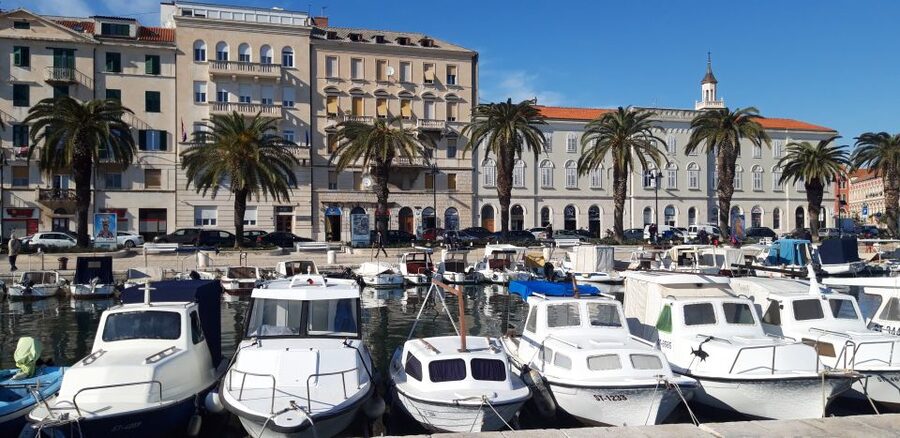
- Small-group feel (max 15), so you can actually ask questions instead of shouting
- Diocletian’s Palace living walls, where local people still live inside the complex
- Museum of the Basement Halls (Cellars) is included as an optional highlight, with a separate entrance fee
- Roman and medieval architecture explained as a timeline you can see in stone
- English live licensed guide from Split, with original local knowledge of Dalmatia
- Skip the ticket line, so you spend more time walking and less time waiting
Entering the story at Brass Gate (Porta Aenea)
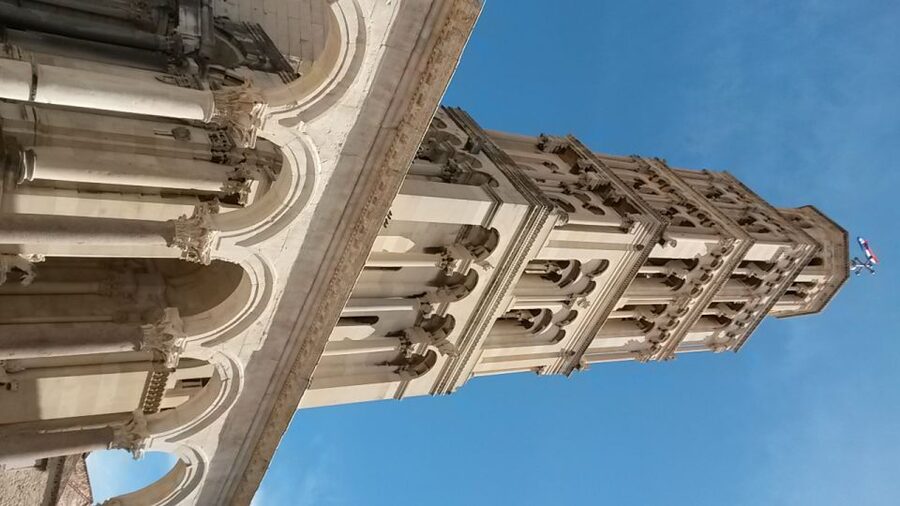
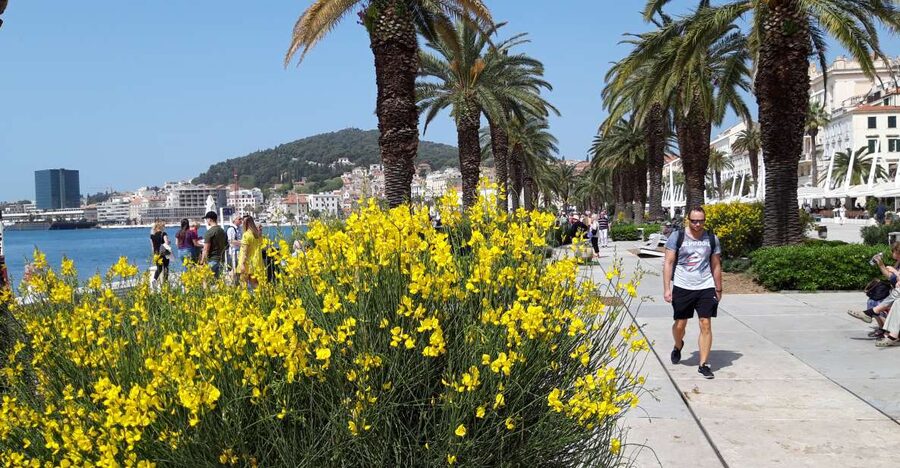
Your tour meets at the Brass Gate, also called Porta Aenea, right on the Riva seafront promenade. The meeting spot is next to the restaurant Gentile, and the guide will be holding a green sign that says History Tour.
This is a smart starting point because Porta Aenea sits right at the edge of the palace complex. You get bearings quickly, and you can understand Split not as a pile of sights, but as a place shaped by a single major decision centuries ago.
If you’re the type who likes a plan, this helps. You’ll know where you are going while still leaving room for the guide’s local detours and stories.
Diocletian’s Palace: why AD 305 still feels current
The heart of the walk is Diocletian’s Palace, the retirement complex built in AD 305. From 1979 it has been on the UNESCO World Heritage List, and that global label makes sense once you see how much is preserved.
Here’s what makes this palace different from many “ruins” stops. Local people still live inside the palace walls, so the buildings feel inhabited. You’re walking through an open-air living monument, and the daily rhythm around you makes the Roman story easier to picture.
Your guide will help you read the space as an imperial design. Even if you’re not a history nerd, you’ll pick up how the palace functioned, how it shaped the later town, and why the architecture around you keeps telling the same basic message: this was power, planned carefully.
Two thousand years, one afternoon
Roman to medieval streets: seeing layers without getting lost
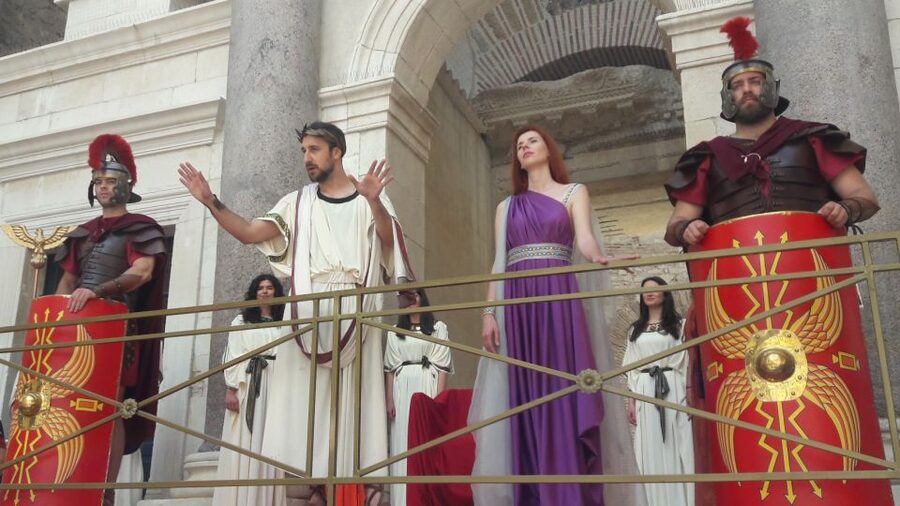
Split’s Old Town can feel confusing if you wander alone, because Roman structures and later medieval additions are all mixed into the same streets. This tour keeps you moving with a logical flow, with explanations that connect what you see to how the place changed.
You’ll get to admire Roman and Medieval architecture and understand why it looks the way it does. The idea is not to memorize dates, it’s to learn how to spot the changes in style and function as you walk.
One practical bonus here: the tour is paced for understanding. With a small group, your guide can stop, point, and answer questions without rushing you toward the next corner.
If your top goal is getting your bearings in Split’s Old Town, this “walk and translate” approach is exactly the right format.
The Cellars Museum: what the basement halls add
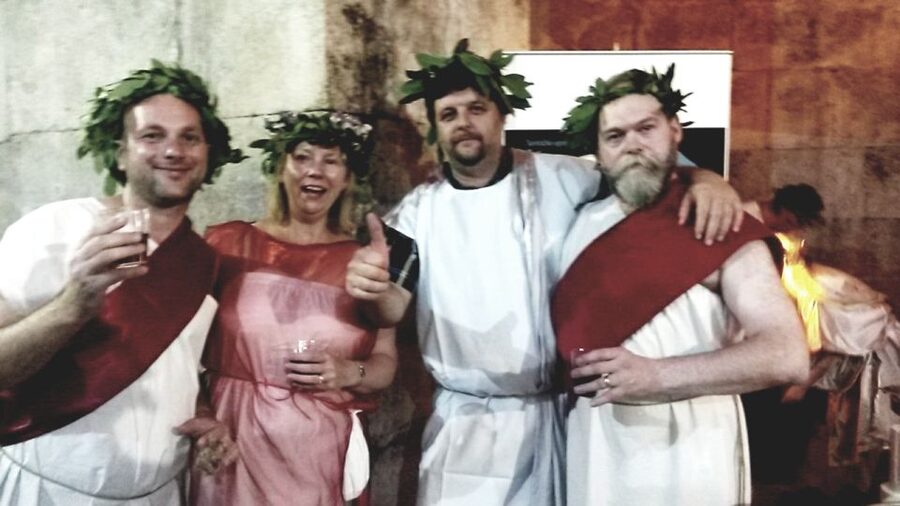
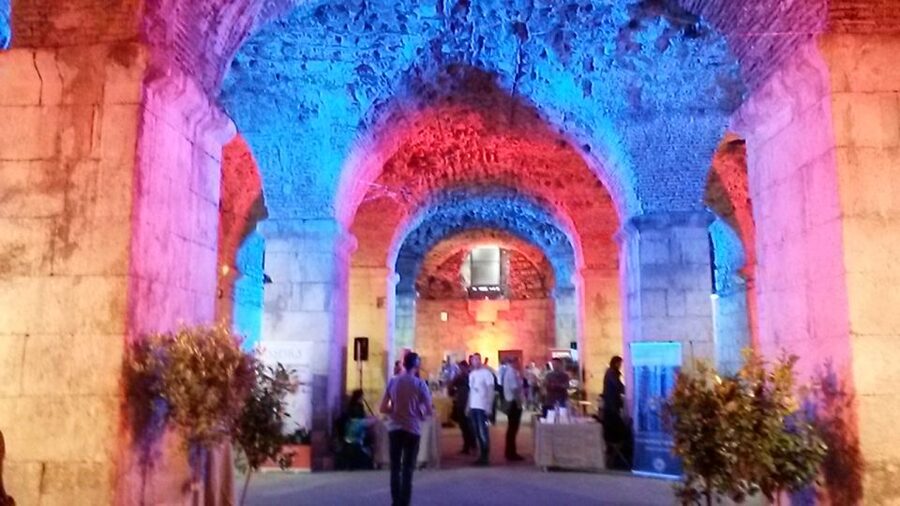
A major highlight on this route is a visit to the Museum of Basement Halls (Cellars) of Diocletian’s Palace. The palace’s best preserved part is the area connected to these basement spaces, so this visit adds something you can’t easily get from the street level.
Important detail: the cellar museum entrance fee is not included. You’ll pay 10 per adult or 8 per student for the museum entry.
Even with the extra cost, I think this stop can be good value because it changes the experience. Street-level views show the big shapes and the sunlight. The cellar halls let you understand the palace’s original practical side, the underworld of storage, movement, and the day-to-day engineering that supported the emperor’s retirement.
If you’re short on time or not feeling museum mode, ask your guide how you can fit it in without feeling rushed. The tour is designed to balance walking with these meaningful interior moments.
Walking with a licensed resident guide named Josko
This is a guided experience built around a licensed resident guide, and in practice that matters more than the word premium. You’re not just getting facts, you’re getting local interpretation.
Josko, the guide highlighted in a verified 5/5 booking from Cecilia of Sweden, was praised for being both informed and engaged. That matches what you want on a tour like this: you’ll hear clear explanations, plus the kinds of small local details that make the buildings feel real.
The guide also has master degrees in Economics and History, and that combination shows up in how places are explained. You’ll tend to understand not only what happened, but why a place was designed the way it was, and how that planning influenced what Split became.
This is also a small-group setup, max 15. That’s the sweet spot for a 2-hour walk because you can hear the guide and still feel like you’re exploring with a person, not following a crowd.
Practical value: price, timing, and what you actually get
The price is $29 per person for about 2 hours, which is a strong deal when you compare it to the cost of a standalone museum ticket plus the value of guided context. You’re paying for orientation, architecture interpretation, and a licensed local voice, not just for access.
Two things are included: the licensed resident guide and the tour organization. You also get a convenience perk: skip the ticket line.
What’s not included is that cellar museum entrance fee (the 10 or 8). If you plan to do the cellars, budget for it in addition to the $29, and you’ll still likely feel you got your money’s worth because the cellar stop is one of the best-preserved parts of the palace experience.
Language is English, and there’s also an option for private groups. Private can be useful if you’re traveling with family, want a slower pace, or have specific questions about Roman sites, medieval layers, or how locals live inside the palace walls.
One last practical note: because it is a walking tour, wear comfortable shoes. Old Town stone and the palace area are not made for fragile soles and long, slow shuffles.
Plenty more to do around Split
- Split: Old Town and Diocletian Palace Walking Tour★ 4.9 · 4,727 reviews
- Walking Tour of Split and Diocletian’s Palace★ 5.0 · 2,588 reviews
- Krka Waterfalls tour with Trogir Walking tour and Krka panoramic boat cruise★ 5.0 · 1,659 reviews
- Split & Diocletian’s Palace Walking Tour★ 5.0 · 1,125 reviews
Who should book this Emperor’s Walking Tour?
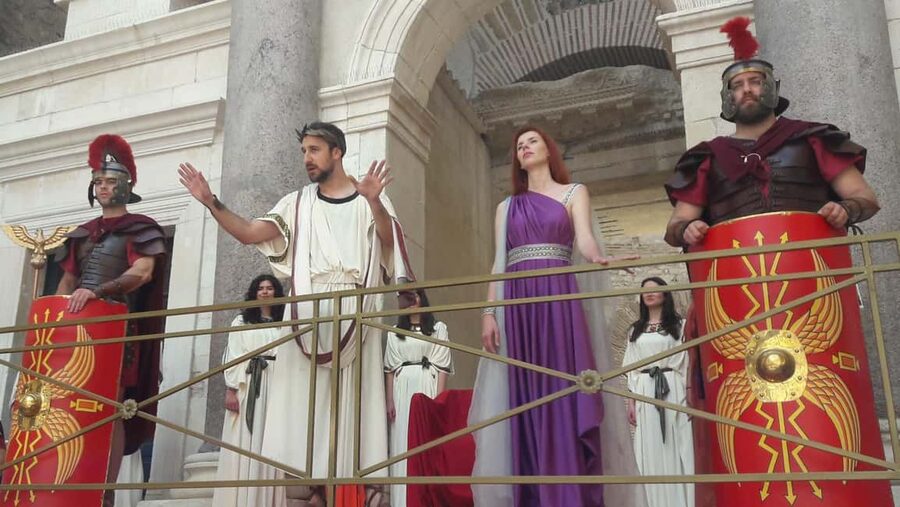
I think this tour is best for history lovers who want real context without spending a whole day in museums. You’ll get the Roman origin story of Split, then watch it unfold into medieval life through the architecture and local storytelling.
It also suits anyone who feels a little overwhelmed by Old Town. With the right guide, you won’t just see sights, you’ll learn how to connect them into a mental map.
If you’re traveling with kids, it could work if they’re interested in “how people used to live,” but keep expectations realistic: this is a history walk, not a playground. For accessibility needs, it is not suitable for wheelchair users.
Should you book the Split Emperor’s Walking Tour?
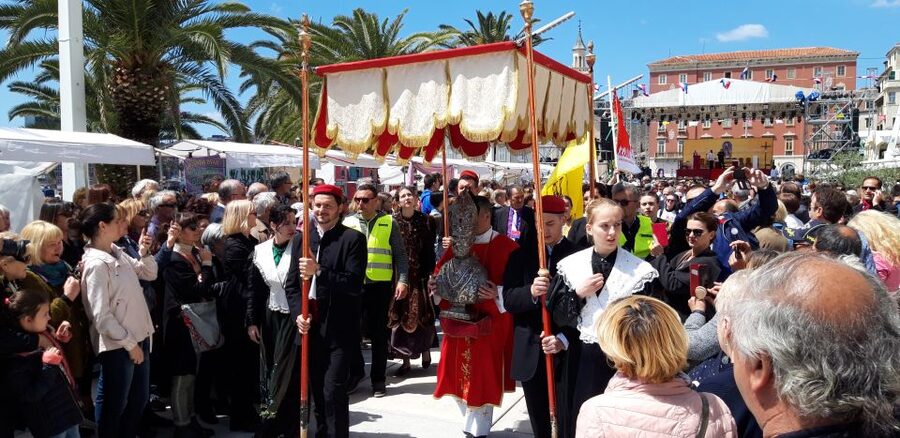
Book it if you want the fastest path to understanding Split through Diocletian’s Palace, with a licensed local guide who can explain what you’re looking at as you walk. The small-group size and the focus on Roman and medieval architecture make it a good value at $29, especially if you plan to add the cellar museum visit.
Skip it if you need step-free access, or if you only want large panoramic viewpoints and prefer a less structured tour. But for most visitors who want to leave Split feeling they truly understood the place, this is a solid, practical choice.
Recently added around Split
- Private VIP Brac and Hvar Day Trip from Split
★ 5.0 · 1 review - Private Transfer From or To the Split Airport
★ 5.0 · 1 review - Brač Half Day Beach Party Transfer to Olife Beach Club
★ 5.0 · 1 review - Private Transfer from Split to Zagreb, Hotel-to-hotel, English-speaking driver
★ 5.0 · 1 review - Airport transfers
★ 5.0 · 1 review - Private ”Game of Thrones” Walking Tour in Split (entrance tickets included)
★ 5.0 · 1 review
Historical Tours, compared.

Walking Tour of Split with a ‘Magister’ of History
Read our review →
Split Walking Tour with Professor of History
Read our review →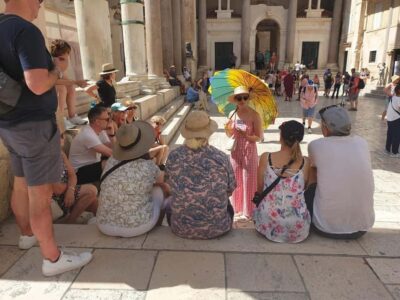

Split History and Gastro Small-Group Tour with Food and Drinks
Read our review →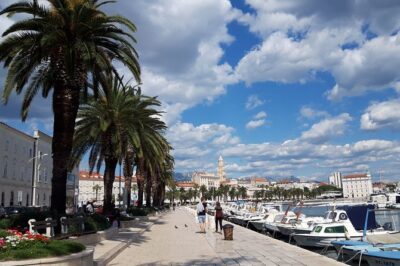
PREMIUM Emperor’s Walking Tour for History Lovers + Museum
Read our review →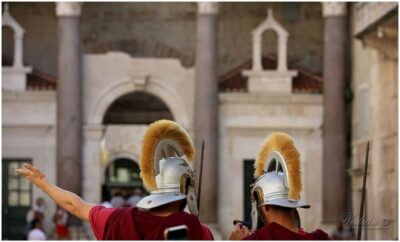
Local History and Culture 90-Minute Walking Tour
Read our review →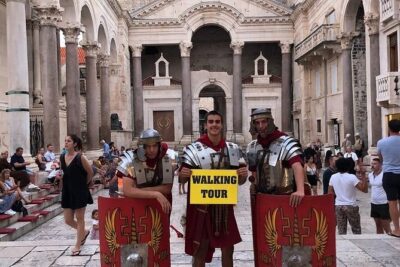
Private History Split Walking Tour in English
Read our review →
Historical & Gastro Treasures Tour with Green Market
Read our review →Browse the lists this tour appears in